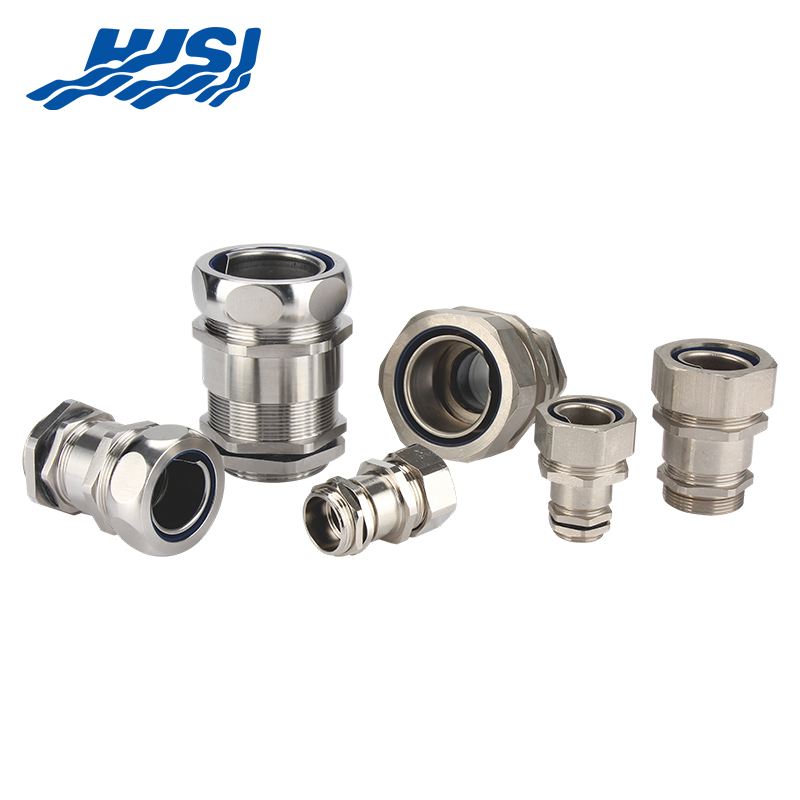
Last month a purchasing manager wrote to us with a question that arrives in our inbox almost every week: his deck equipment supplier quoted brass fittings, the hull outfitting contractor insisted on stainless, and his budget refused to pay for either upgrade. Which metal, he asked, actually survives salt water longer, and where is the extra spending justified?
It is a fair question, and the honest answer is that neither metal wins everywhere. Each has a personality, a price logic, and a set of environments where it behaves noticeably better than the other. This article walks through the comparison the way our engineers explain it on calls, so you can match the material to your own deck plan instead of guessing.
The debate behind that email mirrors a larger one across the industry. Fleet managers inherit habits from the ships they once sailed, consultants quote standards written for cruise liners, and online forums argue with more passion than data. What follows replaces the argument with a zone-by-zone way of thinking that has settled the question for hundreds of orders.
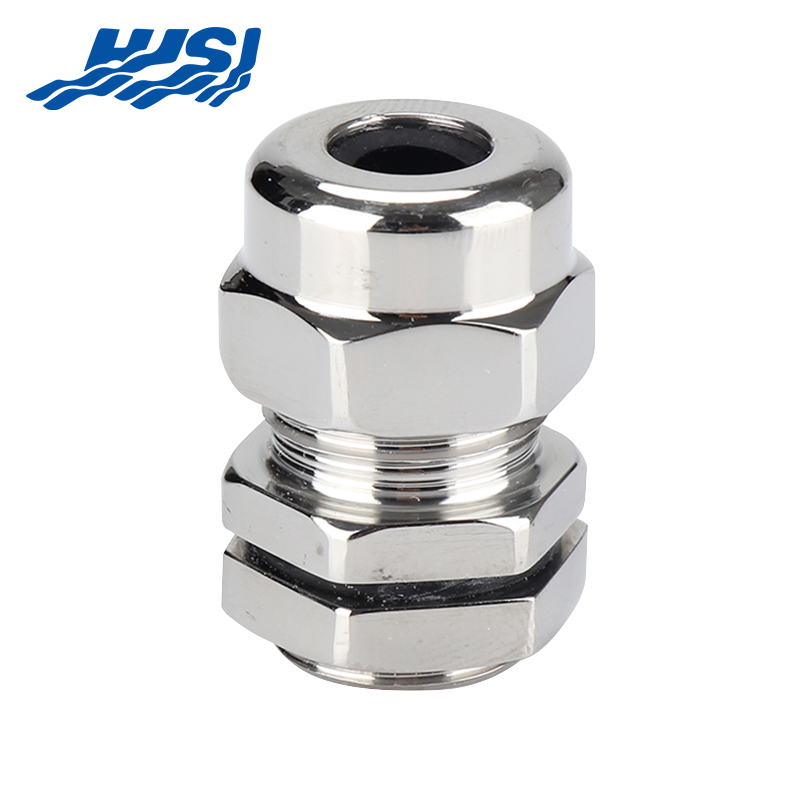
Brass, especially the nickel-plated kind, handles ordinary marine duties with a reasonable budget and does its job for years when installed away from direct water contact. Stainless steel, in the 316 family, accepts punishment that would eat through thinner coatings: constant spray, washdown routines, and prolonged closeness to the waterline.
If your fittings live inside a dry switchboard room, brass usually makes more economic sense. If they live on an open deck, near a bow where waves arrive without warning, the stainless option pays for itself through fewer replacements.
In short, the marine cable gland you choose should follow the zone map of your vessel, not a single fleet-wide habit.
Cost comparisons deserve honesty on both sides. Brass looks cheaper on the invoice and cheaper again when replaced; stainless looks expensive until the third replacement season arrives. The honest comparison includes labor, access equipment, and downtime, and on those numbers the gap narrows far faster than price lists suggest.
| Aspect | Nickel-Plated Brass | 316 Stainless Steel |
|---|---|---|
| Base strength | Solid machinability, dependable everyday sealing | Stronger body, resists impact and bending stress |
| Corrosion behavior | Plating shields the core; damage to the layer exposes softer metal | Protective layer renews itself even after scratches |
| Splash zone survival | Acceptable with regular inspection | Designed for exactly this condition |
| Budget impact | Noticeably kinder to project costs | Higher upfront, lower replacement frequency |
| Appearance over time | May dull or show spots where plating wears | Keeps a clean surface with minimal care |
| Typical home | Interior panels, engine room cabinets, control boxes | Open decks, hull penetrations, washdown zones |
| Natural pairing | Standard unarmoured cable | Armoured, critical, or exposed circuits |
One clarification before moving on: the table compares tendencies, not guarantees. A brass fitting neglected in a wet corner will fail sooner than a well-installed one anywhere, and routine checks matter regardless of metal.
There is a reason shipyards order brass by the thousands. The material machines cleanly, threads hold their shape, and the nickel layer provides honest protection in environments that never see standing water. Consider keeping brass for:
In these locations, the sealing insert does the bulk of the daily work, and metal selection matters less than assembly discipline. A correctly tightened brass unit with the right seal hardness will outperform a badly assembled stainless one in any location.
Not all nickel layers are equal, and this is where low-priced quotations earn their hidden costs. A dense, evenly applied plating acts as genuine armor; a thin or porous one begins showing porosity spots within a season, especially around edges where the layer runs thin.
Buyers can protect themselves with three simple habits. Ask for plating thickness records rather than accepting a catalogue promise. Examine sample fittings under good lighting for color consistency and pinholes. And store spare fittings in dry packaging, because corrosion of stored hardware has nothing to do with how it would have performed installed.
Suppliers with in-house electroplating lines usually deliver more consistent results than those outsourcing the process, and they can also adjust layer properties for special duties when a project requires it. The same scrutiny applies to any marine cable gland order, whatever the alloy behind it.
Fisheries vessels, workboats, and passenger ships all share one habit: they wash their decks frequently and thoroughly. Every washdown sends brine across every fitting in its path. Coatings eventually surrender to this routine, while a 316 body simply shrugs it off. If your maintenance crew owns pressure-washing equipment, the stainless conversation ends quickly.
Vessels operating on remote routes cannot replace a corroded entry on a whim. Dry-dock schedules arrive years apart, and spare parts storage costs money on board. For operators who plan around long inspection windows, paying more at installation buys freedom from mid-cycle surprises. Over a vessel lifetime, the arithmetic usually favors stainless for anything exposed to weather.
Whichever metal you order, inspection discipline stretches its service life more than any alloy upgrade can. A short routine works for both families: look for white or green deposits around threads, verify cap tightness after heavy-weather voyages, and replace any fitting whose surface shows corrosion pockets rather than surface staining.
Crews who log these checks during routine rounds catch problems while they are still cleaning jobs. Crews who skip them meet the same problems later as re-termination projects. The difference in effort is minutes; the difference in cost is a boat hire.
Corrosion leaves signatures, and learning to read them helps buyers diagnose whether the metal or the installation failed. Uniform dulling across a surface points to environment: the alloy met conditions it was not chosen for. Localized attack around the locknut or cap edges points to handling: plating scraped during assembly opened a door for brine. Crevice corrosion hidden under washers suggests water found a path into a gap, which is an installation geometry issue rather than a metal complaint.
Service teams who photograph failed fittings and share the images with their supplier often receive a diagnosis within days. That habit converts warranty conversations from blame exchanges into engineering reviews, and it steadily improves how the next order gets specified.
Rather than arguing about metals in the abstract, map your vessel or project by zone.
| Location on Board | Recommended Choice | Reasoning |
|---|---|---|
| Main switchboard room | Brass | Dry, controlled, easy to inspect |
| Open deck lighting circuits | Stainless | Direct spray exposure, hard access later |
| Navigation equipment housings | Stainless | Critical signals cannot tolerate interruption |
| Accommodation interior panels | Brass | Low humidity, simple replacement access |
| Mooring winch and windlass areas | Stainless | Constant seawater vicinity plus vibration |
| Cargo hold light fittings | Brass with inspection plan | Exposure varies by trade route |
Notice that the recommendation follows access difficulty as much as exposure. Every marine cable gland placed behind equipment justifies better metal than one reachable in minutes, because labor, not hardware, dominates replacement cost.
Mixed part numbers inflate costs quietly. Every additional variant in a vessel store means another stock line, another ageing risk for seals, and another chance that a crew member grabs the wrong fitting at sea. Standardizing thread families per zone, and agreeing minimum pack sizes with the supplier, trims procurement overhead without touching quality.
Volume buyers can also negotiate zone-based kits: one package specification for dry interiors, one for exposed decks. Kits reduce assembly errors because the hardware arriving matches the location map, and they make inventory audits a five-minute exercise instead of an afternoon.
When the next quotation request lands on your desk, run it through this short sequence:
Follow those steps and the metal debate stops being an argument and becomes a procurement rule everyone can apply.
One more note for refit planners: material decisions made now become the maintenance baseline for years. Splitting a fleet between metals without a written zone map creates confusion among crews and suppliers alike. A single-page document stating which areas take which alloy removes the guesswork from every future purchase order.
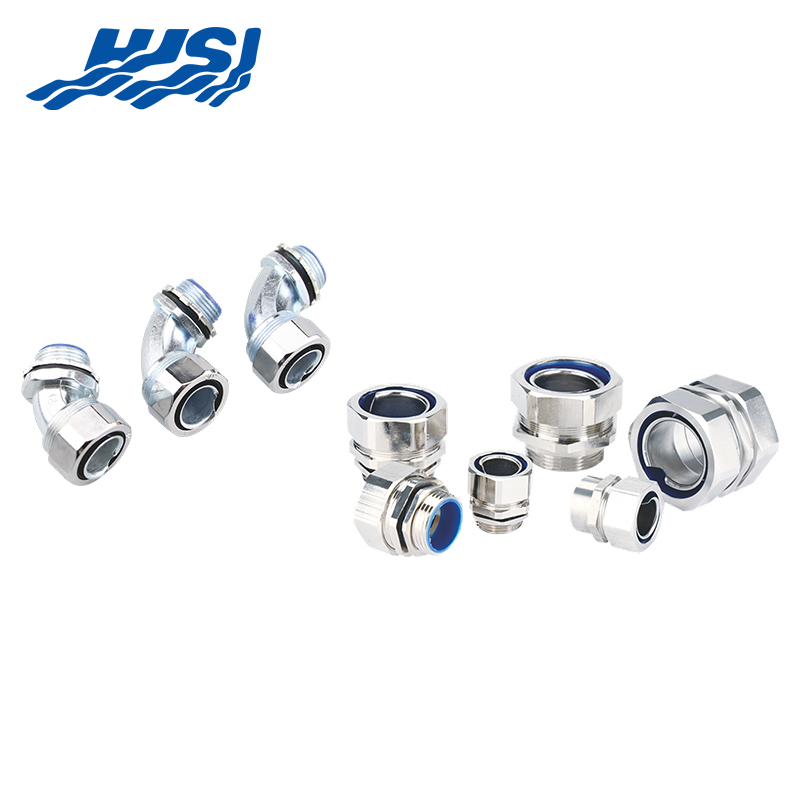
Whether your route favors brass, stainless, or a considered blend of both, the fitting quality behind each seal matters as much as the alloy itself. At HJSI we produce both families under one roof, including the JIS stuffing box series for hull-side entries, and our team is used to splitting orders by zone rather than by habit. Choose the metal for the mission, and let the mission decide the budget.

2nd Floor, Building 2, No. 188, Punan 3rd Road, Economic Development Zone, Yueqing City, Wenzhou City, Zhejiang Province, China

Copyright @ Zhejiang HJSI Connector Co., Ltd. All rights reserved.

China Waterproof Breathable Valve Manufacturer
 +86-15858552966
+86-13356176555
 English
 русский
 عربى