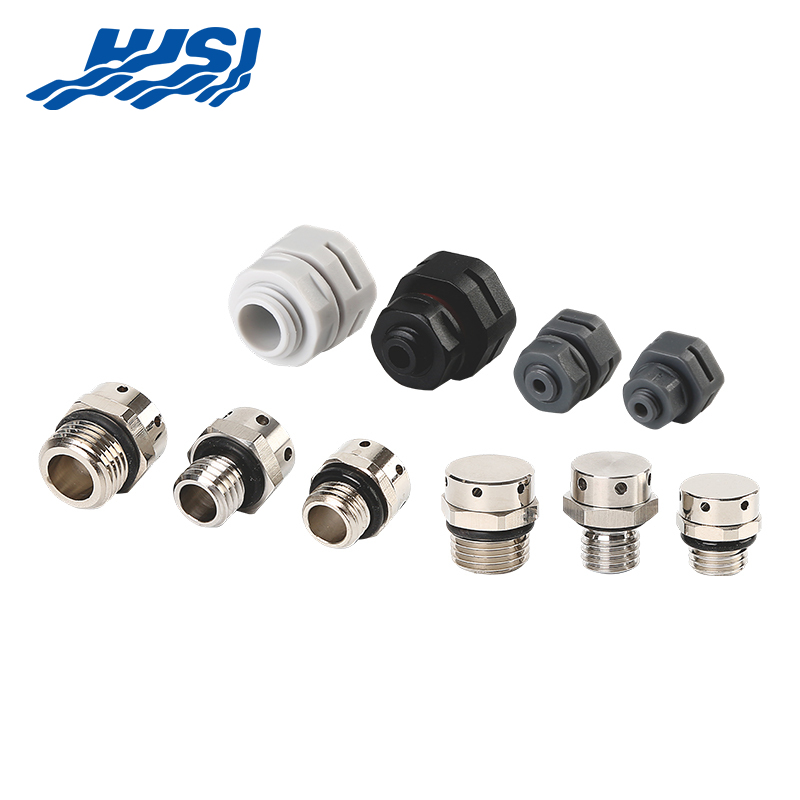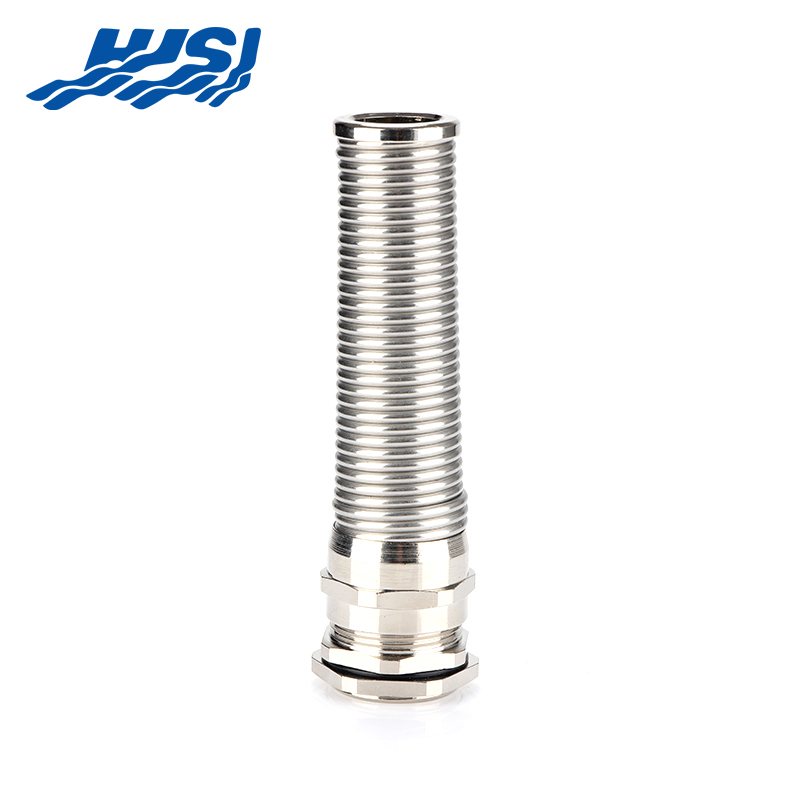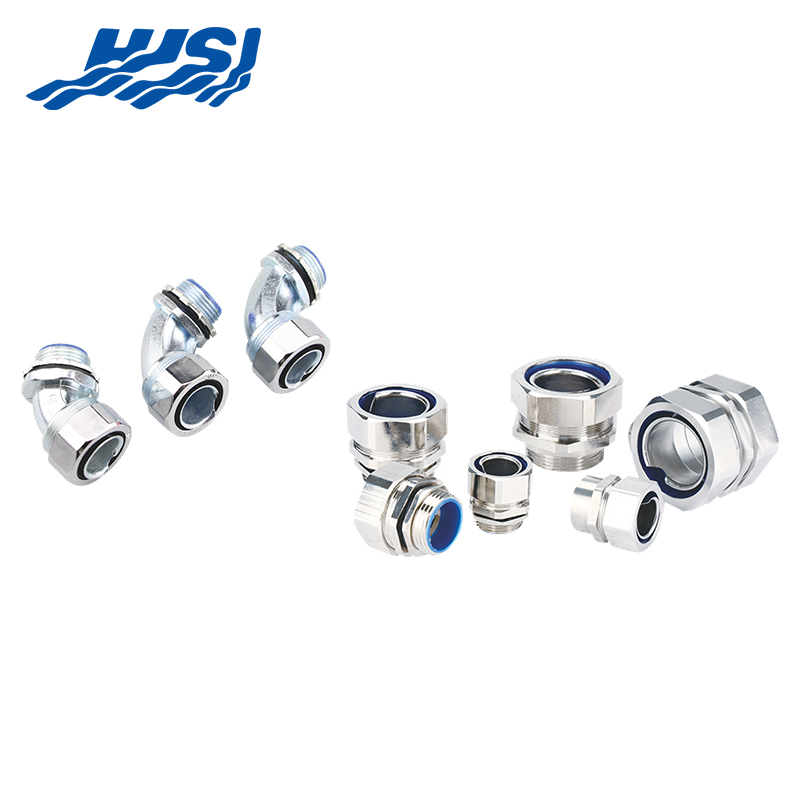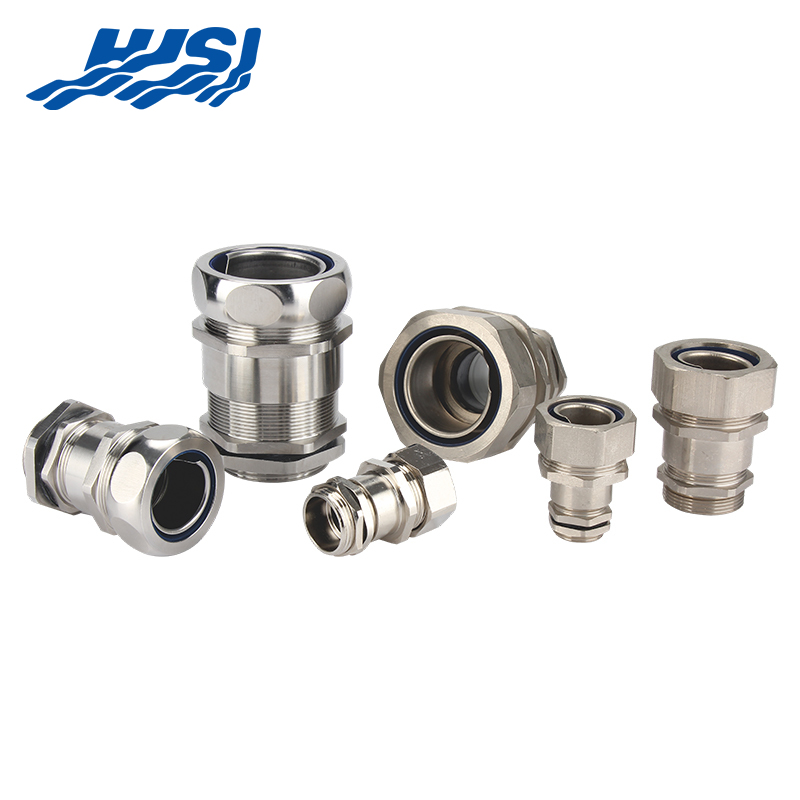
In today's rapidly evolving technological world, it is essential to ensure that cables safely and efficiently pass through various enclosures, machinery, and equipment. Whether in industrial, commercial, or residential environments, protecting electrical connections from external factors such as moisture, dust, and mechanical stress is becoming increasingly important. Stainless steel cable connectors are one of the key components ensuring this safety.
A cable connector is a device used to secure and protect cables when they enter or exit enclosures, switchboards, or any equipment. These connectors are designed to provide a variety of benefits, including a robust cable connection, environmental protection, and stress relief, while ensuring the integrity of the electrical connection.
Among the various materials used for cable connectors, stainless steel stands out for its superior properties, including corrosion resistance, strength, and durability. Stainless steel cable connectors are typically used in harsh environments where electrical installations need to be protected from factors such as high temperatures, chemicals, moisture, and physical stress.
Stainless steel offers a range of unique advantages that make it ideal for applications requiring high durability and resistance to harsh environments.
Stainless steel is renowned for its excellent corrosion resistance, especially in humid, chemical, or saltwater environments. This makes stainless steel cable joints ideal for components exposed to corrosive substances in marine, offshore, and industrial environments.
Stainless steel cable joints are stronger than those made of other materials, making them ideal for applications that may be subjected to mechanical stress, vibration, or impact. The ability to withstand physical stress is crucial, whether in manufacturing plants, construction sites, or heavy equipment.
Stainless steel performs reliably under high temperatures, chemicals, or extreme environmental conditions. Its resistance to high temperatures and reactive substances ensures that cable joints maintain their seal and structural integrity under harsh conditions.
The durability and resistance to environmental factors of stainless steel extend the service life of its cable joints. Once installed, they require virtually no maintenance, reducing total cost of ownership and replacement costs.
| Advantage | Key Benefit |
|---|---|
| Corrosion Resistance | Withstands moisture, chemicals, and saltwater. |
| Mechanical Strength | Handles vibration, impact, and heavy stress. |
| Temperature & Chemical Resistance | Maintains performance in extreme or reactive environments. |
| Long Service Life | Durable, low-maintenance, and cost-efficient over time. |
Stainless steel cable joints play several important roles in electrical or mechanical systems.
The primary function of cable joints is to provide a seal, preventing moisture, dust, and contaminants from entering the electrical system. Whether used in switchboards, machinery, or outdoor equipment, this seal prevents dirt or water from damaging the cable and its connections.
This sealing capability ensures the safe and normal operation of the electrical system, reducing the risk of short circuits or failures due to environmental exposure.
Cables are often subjected to mechanical stress due to movement or weight. Without proper support, this can lead to internal damage, wear, or breakage of the cable conductors. Stainless steel cable joints relieve stress by firmly securing the cable in place, preventing excessive stress from being transmitted to the cable and protecting the internal wiring from damage.
In some applications, cable joints help ensure the continuity of the electrical system. For example, electromagnetic compatibility (EMC) cable joints ensure that electromagnetic interference (EMI) is not transmitted through the cable to sensitive electronic equipment. In this case, the joint provides a grounding path, connecting the cable shielding to the equipment, thereby enhancing system integrity and reducing interference.
Cable connectors also protect cables from physical damage. The clamping mechanism within the connector prevents the cable from being pulled or twisted, while the sealing elements prevent abrasion, especially in environments with moving equipment or machinery.
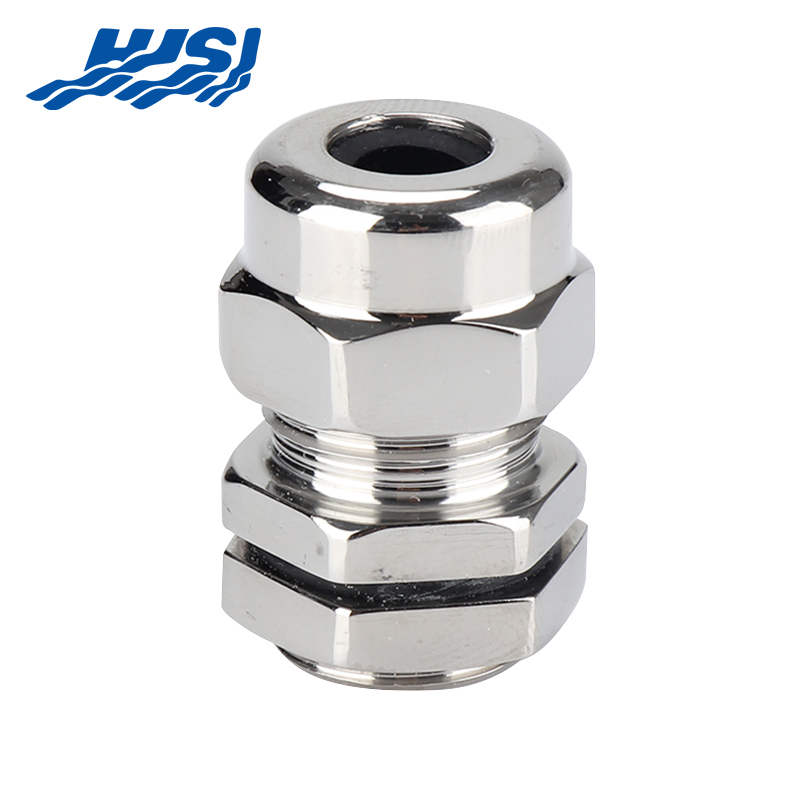
A stainless steel cable connector typically consists of several key components that work together to provide secure cable routing, sealing, and protection.
The body of the cable connector is its core structure. It is usually made of stainless steel and is responsible for housing the other components. The body features a threaded design that securely attaches the connector to the housing, panel, or other equipment.
The sealing insert is usually made of rubber or elastic material and forms the necessary barrier to prevent the ingress of moisture, dust, and other contaminants. It is located between the cable and the cable connector body and is compressed when the cable connector is tightened, creating an airtight and watertight seal.
The clamp nut is used to tighten the cable connector and compress the seal. It ensures the cable is firmly secured in place while activating the sealing performance of the cable connector. The clamp nut plays a crucial role in the stress relief function of the cable connector, as it helps to hold the cable in place and prevent its movement.
The lock nut is used to screw the sealing ring into the equipment or housing to secure it in place. It is typically located inside the housing and tightened onto the sealing ring body to prevent loosening due to vibration or movement.
The washer is usually used in conjunction with a lock nut to ensure a tight, secure fit and prevent damage to the housing surface. It helps distribute the pressure applied by the clamping nut, thus providing a stable installation for the sealing joint.
Cable connectors come in a wide variety, each designed for a specific application. When selecting the appropriate connector, factors such as thread type, sealing structure, and the expected operating environment must be considered.
Cable connectors can be classified according to the type of thread used for connection:
The choice of thread type depends on the standards of the installation area, local regulations, and the specific requirements of the equipment being connected.
Explosion-proof sealing rings are used in hazardous or explosive environments. They are designed to contain any sparks or heat generated within the enclosure, preventing flammable gases or dust from being ignited.
Stainless steel cable joints are widely used across various industries due to their robustness, durability, and versatility.
In the telecommunications sector, cable joints are used to protect cables in outdoor environments, communication towers, and data centers. They ensure cables are protected from contaminants, moisture, and environmental factors that can interfere with signal transmission or damage equipment.
In industrial environments, cables are frequently subjected to vibration, mechanical stress, and extreme weather. Stainless steel cable joints help protect cables in machinery, control panels, and automation systems, ensuring their safe and reliable operation.
In the oil and gas industry, cable joints are crucial for protecting cables in offshore platforms, refineries, and pipelines. Stainless steel's excellent corrosion resistance, especially in high-salt environments, makes it an ideal material for these harsh conditions.
Wind turbines, solar power systems, and other renewable energy installations rely on stainless steel cable joints to ensure their electrical connections remain safe and function properly even in harsh environmental conditions.
Stainless steel cable joints play a vital role in the marine industry, essential for equipment used in ships, offshore drilling platforms, and marine facilities. These joints effectively protect against seawater corrosion, vibration, and moisture, while ensuring electrical safety.
In the food processing industry, hygiene and safety are paramount. Stainless steel cable joints help maintain the cleanliness and functionality of electrical systems by preventing contamination and facilitating cleaning.
| Application Area | Core Purpose |
|---|---|
| Telecommunications | Protects cables from moisture and contaminants. |
| Industrial | Withstands vibration and harsh conditions. |
| Oil & Gas | Resists corrosion in extreme environments. |
| Renewable Energy | Ensures reliability in outdoor installations. |
| Marine | Guards against seawater and moisture. |
| Food & Beverage | Supports hygiene and easy cleaning. |
Stainless steel cable connectors require almost no maintenance, but the following aspects should be checked regularly:
Stainless steel cable connectors, with their robust design and superior environmental protection capabilities, have always been a core component of electrical installations across various industries. Zhejiang Haijies Connector Co., Ltd. provides high-quality, high-reliability stainless steel cable connectors. Whether you are equipping a factory, upgrading telecommunications infrastructure, or installing in marine environments, zjHJSI can meet your needs with precision-designed cable connectors and fittings, ensuring long-term safety and high performance.

2nd Floor, Building 2, No. 188, Punan 3rd Road, Economic Development Zone, Yueqing City, Wenzhou City, Zhejiang Province, China

Copyright @ Zhejiang HJSI Connector Co., Ltd. All rights reserved.

China Waterproof Breathable Valve Manufacturer
 +86-15858552966
+86-13356176555
+86-15858552966
+86-13356176555
 English
 русский
 عربى
عربى