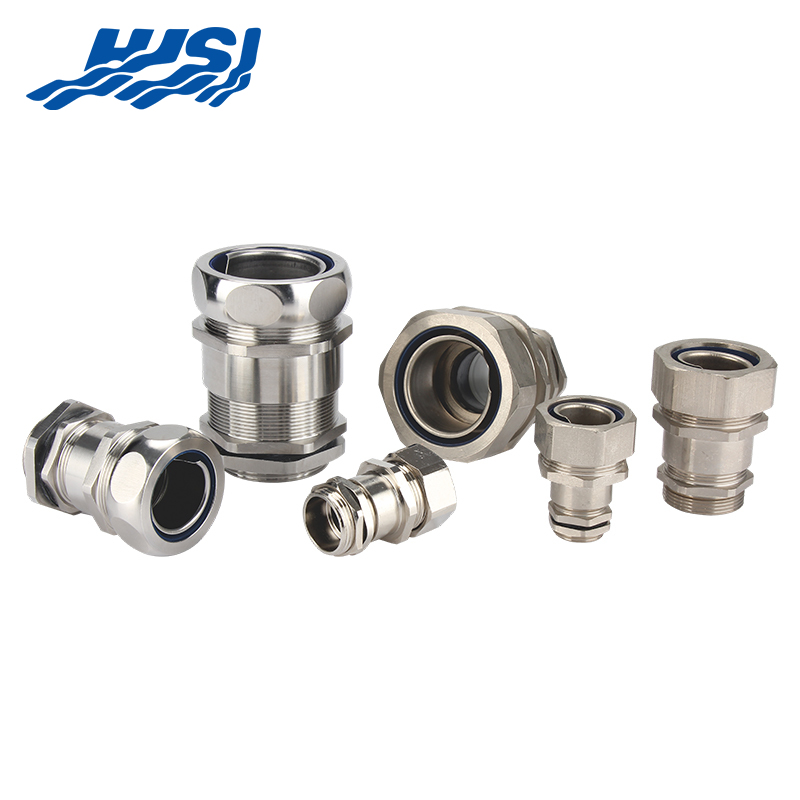
Electrical Conduit represents a core aspect of electrical systems, serving to enclose and safeguard wires in numerous contexts. These tubular pathways organize cabling, shield it from harm, and support compliance with safety guidelines. Whether in homes, offices, or factories, electrical conduit helps maintain orderly installations while reducing potential risks. This article covers the principles, varieties, and practical uses of electrical conduit, providing a thorough overview for those engaged in electrical work or planning.
Electrical conduit functions by creating a dedicated channel for wires, preventing direct contact with surroundings that might cause damage. It addresses issues like physical impacts, environmental exposure, and organizational needs. In essence, electrical conduit extends the lifespan of wiring by isolating it from factors such as dust, liquids, or accidental interference.
The concept behind electrical conduit stems from the need for structured electrical distribution. As systems grew more complex, the role of conduit expanded to include flexibility for modern layouts. Electrical conduit materials and designs vary to suit different demands, from straightforward indoor runs to intricate outdoor setups. Proper use of electrical conduit minimizes downtime and enhances overall system efficiency.
Factors influencing electrical conduit selection include the nature of the environment, the type of cables involved, and installation constraints. For instance, areas with high foot traffic might require more robust options, while confined spaces benefit from bendable varieties. Electrical conduit also plays a part in fire prevention by containing potential sparks or heat within its structure.
Electrical conduit categorizes into several types, including rigid and flexible forms. Rigid conduits provide firm support for linear paths, whereas flexible ones allow adaptation to curves or shifts. Within flexible categories, liquid flexible metal conduit and liquid-tight flexible nonmetallic conduit offer distinct capabilities for specific scenarios.
| Category | Main Types | Key Characteristics | Primary Use / Advantage |
|---|---|---|---|
| Rigid Conduits | Rigid (metallic or nonmetallic) | Firm, straight, high mechanical strength | Linear paths, strong support, stable installations |
| Flexible Conduits | General flexible types | Bendable, adapts to curves and movement | Routing around obstacles, dynamic layouts |
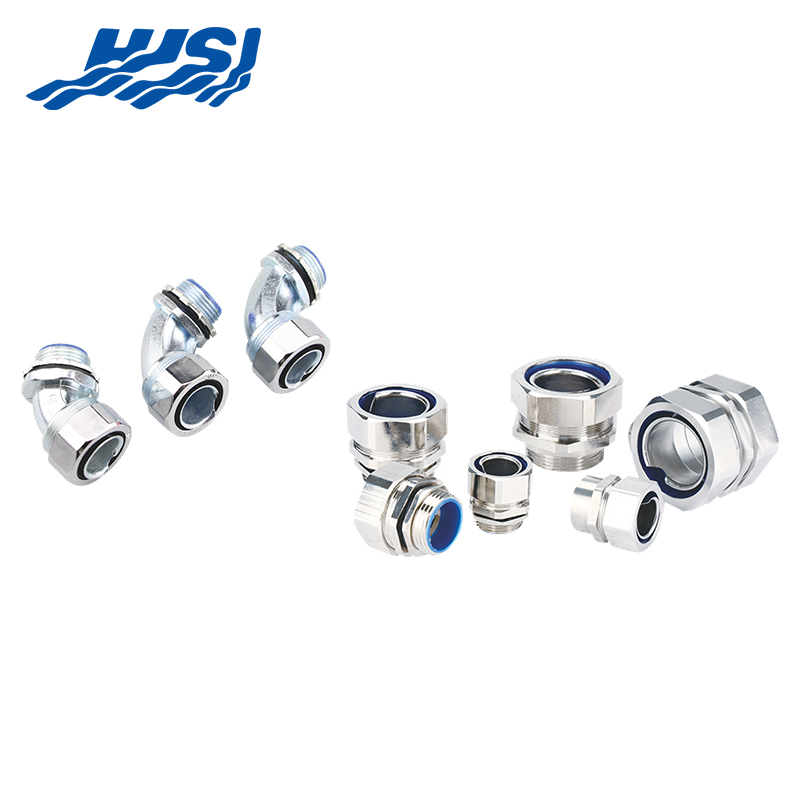
| Flexible Metal | Liquid Flexible Metal Conduit | Metal construction, liquid-resistant jacket | Sturdy protection, vibration/impact resistance, wet or harsh environments |
| Flexible Nonmetallic | Liquid-Tight Flexible Nonmetallic Conduit | Polymer-based, lightweight, liquid-tight | Corrosion resistance, easy handling, tight spaces, wet/corrosive areas |
Liquid flexible metal conduit constructs from wound or connected metal elements, drawing from resilient metals to ensure strength. This approach enables shaping around barriers while upholding durability. A fluid-resistant outer sheath adds a layer of defense against penetration, fitting it for places with moisture or similar challenges.
Fabrication of this electrical conduit involves spiraling metal strips into a cohesive tube, with mechanisms to lock sections securely. The result is a conduit that withstands strain without collapsing, preserving space for wires. External protections combat wear from surroundings, contributing to sustained performance.
Liquid flexible metal conduit finds placement in environments needing sturdy safeguarding. Production facilities utilize it for equipment links, managing repetitive actions. External electrical conduit applications cope with atmospheric variations, and locations with active agents depend on its enclosed build. It aids steady functionality in these situations.
Notable aspects encompass resistance to compression, linkage with various attachments, and capacity for diverse routing. Electrical conduit of this design eases arrangements in non-linear spaces.
Liquid-tight flexible nonmetallic conduit relies on polymer compounds for an adaptable, reduced-weight choice. These systems include slick inner walls for wire ease and outer surfaces that deter fluids and compounds. Their makeup emphasizes practicality across settings.
Production entails forming synthetics into pliable channels, at times with bolsters for resilience. The fluid-proof element in electrical conduit blocks unwanted entry, maintaining cable condition. This variant aligns with needs for mobility and versatility.
Standard placements involve internal cabling in edifices for mechanisms or lighting setups. Submerged electrical conduit leverages its ground and liquid defiance, whereas watery or open-air contexts prize its stamina against dampness and salts. It supplies consistent enclosure in these areas.
Elements include effortless operation, safeguard from breakdown, and amplified shapability. Nonmetallic electrical conduit quickens procedures in limited regions.
Substances forming electrical conduit dictate its traits and endurance. Metallic kinds employ blends that yield structural power. These elements enable grounding and feature coverings to counter decay.
Nonmetallic electrical conduit sources from mixtures that innately oppose decline and furnish non-leading attributes. Such substances permit marking via tones and hold configuration amid changes.
Resilience hinges on aspects like barrier girth and assembly standard. Metal electrical conduit thrives in intense zones, defying strikes. Nonmetallic forms excel in arenas with substance or moist perils, keeping pliancy. Both groups encounter assessments for tolerance to warmth, vigor, and contact.
Augmentations, such as balancers for outer electrical conduit, lengthen utility. Insight into makeup directs fitting selections.
Shapability lets electrical conduit conform to placement trails, lessening connections. Liquid flexible metal conduit molds with moderate input, suiting gradual sweeps. Its arrangement evades folds, sustaining inner room.
Liquid-tight flexible nonmetallic conduit yields simpler forming, permitting closer corners sans implements. This accommodates alterations or slim casings. Bulk impacts feasibility; slimmer electrical conduit lightens transport and raised labors.
Weightier metal editions afford inherent firmness, curbing displacement post-position. Electrical conduit picks ponder these features beside endeavor scopes.
Surroundings steer electrical conduit choice. Fabrication zones, with apparatus and feasible impurities, incline toward metal sorts for toughness. Shut designs protect from specks.
Commerce and dwelling electrical conduit regularly embraces nonmetallic for productive, immediate utilizations. Soggy points necessitate liquid-halting traits to avert malfunctions.
Outer electrical conduit manages climate alterations and downfall. Substances defying splintering function adequately. In distinct locales like handling facilities, areas simple to sanitize hold precedence.
Scrutinizing site particulars guarantees electrical conduit corresponds to necessities, nurturing trustworthiness.
Electrical conduit assists manifold arenas, modifying to unique stipulations.
In fabrication, pliable metal conduits join boards to instruments, enduring practical tensions. They permit enlargement sans notable breaks.
Advancement endeavors interlace electrical conduit into structures for vitality and exchange lines. Nonmetallic classes accelerate progress in elevated constructions.
Conveyance frameworks apply electrical conduit for markers and glows along courses. Tenacity to tremors is essential.
Wellness environments employ conduits backing pristine settings and constant energy for tools. Shapability assists in packed passages.
Cultivation operations hinge on electrical conduit for hydration controls and edifice illumination, opposing al fresco elements.
Renewable vitality configurations use conduits to unite parts solidly. Shielding from climate is critical in secluded areas.
These cases depict electrical conduit's scope over realms.
Each electrical conduit shape brings particular profits.
Liquid flexible metal conduit delivers:
Liquid-tight flexible nonmetallic conduit presents:
Jointly, electrical conduit betters layout and protection.
Inspecting liquid flexible metal and liquid-tight flexible nonmetallic conduits discloses differences.
Concerning makeup, metal provides heightened blow defense, nonmetallic superior agent endurance.
Shapability prefers nonmetallic for ease, metal for methodical arching.
Volume advantages nonmetallic in transportability, metal in steadfastness.
Employment inclinations locate metal in rigorous positions, nonmetallic in routine tasks.
Monetary perspectives vary; nonmetallic suits expense-conscious initiatives, metal for lasting fortitude.
This examination backs picking apt electrical conduit.
Establishment triumph rests on orderly tactics. Outlining trails diminishes arcs and extents.
Dividing devices differ by matter: edges for metal, trimmers for nonmetallic. Molding preserves extent to dodge obstructions.
Retainers at uniform spaces evade slumping in electrical conduit sequences. Bonds assure connection soundness.
Tugging cables utilizes assistants for glide decrease in prolonged segments. Preliminary reviews confirm lack of imperfections.
Abiding by directives encompasses immersion tiers and intervals. Adept control eludes typical slips.
Post-establishment affirmation includes stream evaluations.
Periodic reviews on electrical conduit identify concerns like corrosion or relocations. Eliminating gatherings upholds flow.
Grounding metal conduits prevents impact hazards. Load supervision hinders heating.
In dangerous districts, sanctioned electrical conduit confines occurrences. Markers hasten preservation.
Exchanging antiquated conduits progresses shielding. Acknowledging confines halts surplus.
Attentive upkeep conserves electrical conduit activity.
Formations aim at verdant substances and clever fusions. Repurposed pieces trim influences.
Observing capacities could incorporate evaluations for anticipatory care.
Amalgamated outlines merge qualities for mixed electrical conduit.
Directives transform to accentuate proficiency, impacting choices.
These tendencies suggest altering roles for electrical conduit.
| Advancement Area | Key Focus / Description | Expected Benefit / Impact |
|---|---|---|
| Verdant / Sustainable Materials | Development of eco-friendly, green substances | Reduced environmental impact |
| Recycled / Repurposed Components | Increased use of repurposed materials | Lower resource consumption and waste |
| Smart / Intelligent Integration | Addition of monitoring / sensing capabilities | Enables predictive maintenance and monitoring |
| Hybrid / Amalgamated Designs | Combining features of different conduit types | Improved versatility and performance balance |
| Evolving Regulations & Standards | Updated rules emphasizing efficiency & proficiency | Influences material and design choices |
The idea of wire enclosure traces to initial electricity spread. Primitive electrical conduit setups borrowed plain metal ducts from plumbing. As electric consumption expanded in residences and sectors, dedicated conduits became clear. Mid-century novelties brought pliable patterns, easing placements in developing designs.
Through periods, electrical conduit adjusted to fresh substances found via inquiry. The move from purely firm to encompass bendable choices signified a notable enhancement in utility. Rules contributed to normalizing electrical conduit, assuring uniformity in safeguard across zones. Presently, electrical conduit persists in advancing, merging input from practitioners in diverse domains.
Grasping this foundation aids value how electrical conduit turned vital to contemporary framework. It underscores the significance of continual growth to satisfy present requests.
Plunging further into substances, metallic electrical conduit frequently integrates treated surfaces to boost opposition to ambient elements. The treatment method entails layering the metal, aiding in extending the conduit's duration in revealed states. Lighter metal variations of electrical conduit balance potency and lessened bulk, rendering them favored in particular placements.
For nonmetallic electrical conduit, common foundations are recognized for adaptability. Additional polymers may encompass supplements for refined output, like pliancy boosters or tints for recognition. These substances experience forming procedures to shape the channels, guaranteeing even density.
Relative testing of substances in electrical conduit entails replicas of actual stresses. For example, curve trials gauge how effectively the conduit keeps form following recurrent bending. Strike trials assess opposition to falls or collisions, vital for building locales. Such reviews notify creators on refinements, resulting in dependable items.
Shapability in electrical conduit extends beyond curve span to upholding output after placement. In liquid flexible metal conduit, the connecting pattern permits a measure of growth and shrinkage, suiting heat shifts. This trait proves useful in zones with varying warmth.
Nonmetallic electrical conduit's shapability frequently derives from its particle arrangement, allowing springy change. This lets handlers steer it past hurdles sans lasting harm. Yet, overdone curving may cause wear eventually, so directions suggest least spans.
Bulk thoughts connect tightly with shapability. Slimmer electrical conduit lessens pressure on holders and simplifies individual placements. In extensive endeavors, this may mean duration economies and reduced work expenses. Equilibrating shapability with additional traits assures the conduit fulfills all endeavor standards.
In dry climates, electrical conduit must defy arid splitting and particle buildup. Substances with even exteriors ease cleansing and avert accumulation. Conversely, moist weather requires excellent closing to evade moisture within the conduit.
For buried uses, electrical conduit confronts earth force and feasible moving. Bolstered patterns aid sustain wholeness. In watery locales, contact with brine demands substances that erode slowly. Electrical conduit in these spots often encompasses extra shields.
Fabrication climates offer distinct trials, like contact with lubricants or dissolvers. Electrical conduit with substance-defiant layers functions superior here. Evaluating ambient dangers before choice averts upcoming problems and assures adherence.
In vehicle sectors, electrical conduit guards cabling in transports and production lines. Shapability permits routing via motor sections or frames. In air travel, slim nonmetallic conduit diminishes total weight while supplying required safeguard.
Learning centers utilize electrical conduit for room glow and computing webs. Simple placement reduces interruptions amid learning times. In sales areas, conduit arranges cabling for exhibits and safety setups, preserving looks.
Lodging fields, such as inns, apply electrical conduit for visitor space energy and amusement systems. Dependability guarantees continuous provision. In amusement sites, like stages, conduit manages intricate glow and audio arrangements.
These assorted uses show how electrical conduit modifies to particular working needs, adding to productivity.
Past fundamental profits, liquid flexible metal conduit proposes field shielding in certain setups, lessening disruption. Its metal character permits efficient grounding, boosting safeguard.
Liquid-tight flexible nonmetallic conduit supplies heat isolation, assisting sustain wire warmth. Its non-leading quality adds a stratum of defense against unintended impacts amid handling.
Both kinds of electrical conduit ease tone marking for path recognition, simplifying issue resolution. They also back growth, permitting wire addition sans full swap.
Broadening the parallel, placement duration varies: nonmetallic electrical conduit frequently demands less readying owing to its severability with basic implements. Metal conduit could require dedicated gear for accurate divisions.
Preservation rate differs; metal might necessitate regular reviews for decay, while nonmetallic centers on light decay in open-air utilization. Expense per unit can sway large decisions, with nonmetallic usually providing reserves.
Output in blaze situations also contrasts: metal conduit can hold flames superior, while nonmetallic could dissolve but not spread blaze if evaluated suitably.
Outlining encompasses employing programs for trail refinement, trimming substance loss. Amid placement, guides aid in tugging wires via electrical conduit.
For arcs, forms guarantee even sweeps sans leveling. Closing mixtures at unions block entry in fluid-proof systems.
In upright sequences, electrical conduit needs fasteners to bear weight. Synchronization with other crafts evades clashes in joint areas.
Instruction on electrical conduit placement stresses safeguard rules, like neutralizing lines prior to labor.
Reviews ought to encompass sight checks and, where feasible, inner viewing for clogs. Cleansing approaches hinge on the conduit kind; evade rough on nonmetallic areas.
Mend tactics for harmed electrical conduit involve covers or swaps, assuring continuity. Recording of preservation assists monitor trends and foresee breakdowns.
Safeguard actions stretch to individual shielding gear amid handling. Consciousness of electrical conduit evaluations averts mismatches.
Upcoming electrical conduit may fuse leading marks for overseeing wholeness. Viable obtaining of substances could turn norm.
Mechanization in creation might decrease expenses while refining accuracy. Fusion with intelligent networks could view electrical conduit with inherent detectors.
These possible progressions situate electrical conduit as a vibrant part in forthcoming electrical setups.
Electrical conduits are an indispensable solution for protecting and routing electrical wires, suitable for a wide range of environments, from industrial machinery and outdoor facilities to residential and commercial buildings. Among the many options available, HJSI stands out for its combination of durability, adaptability, and superior performance in demanding conditions. Its flexible steel conduit design provides robust mechanical protection, effectively resisting impacts and vibrations while allowing for easy routing around obstacles; furthermore, it offers effective sealing against moisture, corrosion, and various chemicals.
This reliability, coupled with high-quality materials and easy integration with compatible accessories, ensures the long-term integrity and safety of the system. Whether addressing demanding industrial applications or meeting general wiring needs, choosing HJSI aligns with the requirements for stable performance, low maintenance costs, and overall project efficiency, ensuring the safe and reliable operation of electrical installations over the long term.

2nd Floor, Building 2, No. 188, Punan 3rd Road, Economic Development Zone, Yueqing City, Wenzhou City, Zhejiang Province, China

Copyright @ Zhejiang HJSI Connector Co., Ltd. All rights reserved.

China Waterproof Breathable Valve Manufacturer
 +86-15858552966
+86-13356176555
+86-15858552966
+86-13356176555
 English
 русский
 عربى
عربى