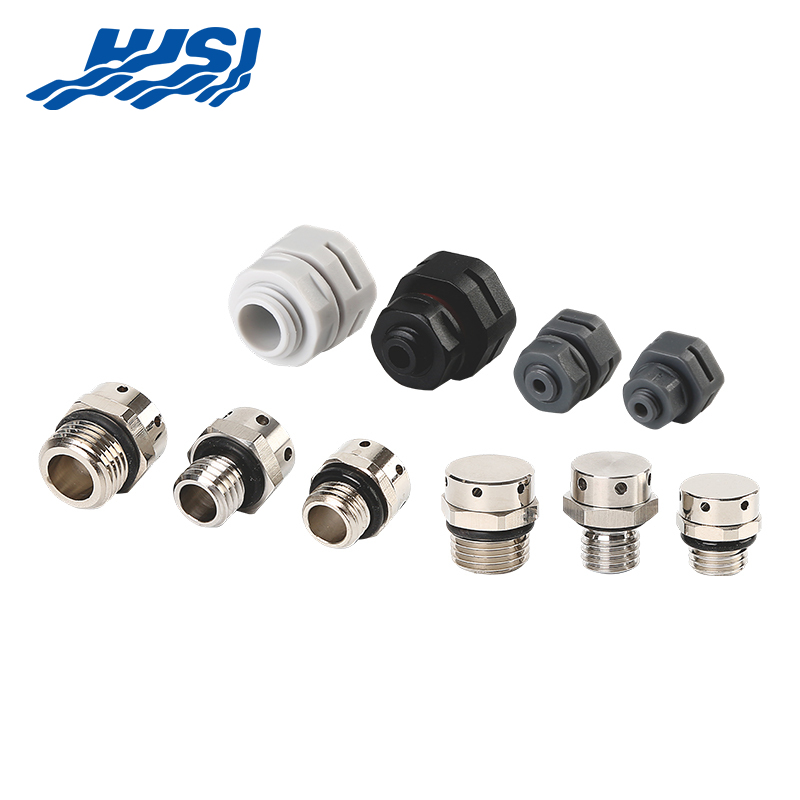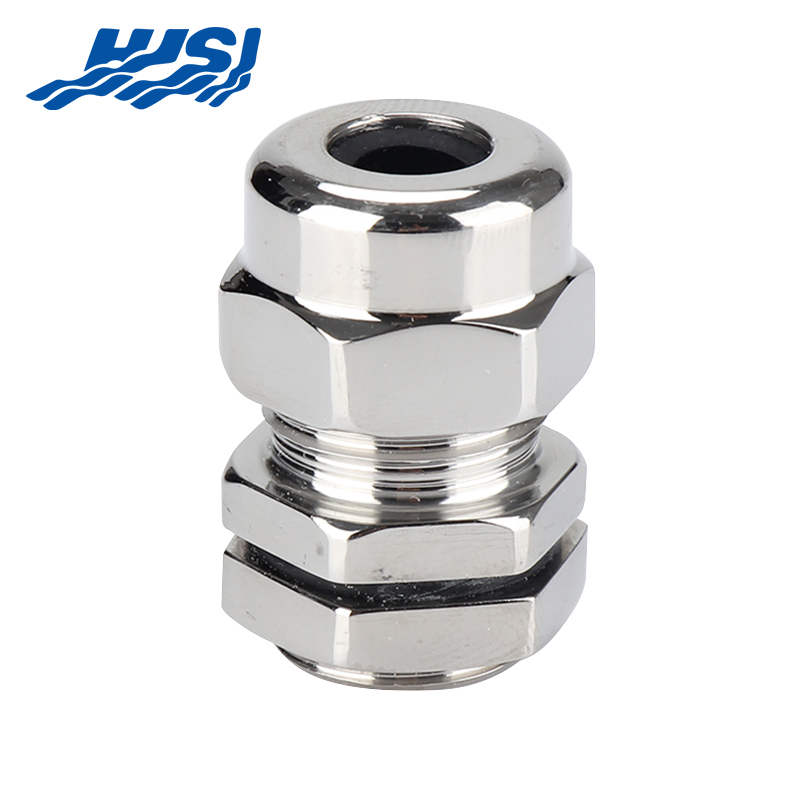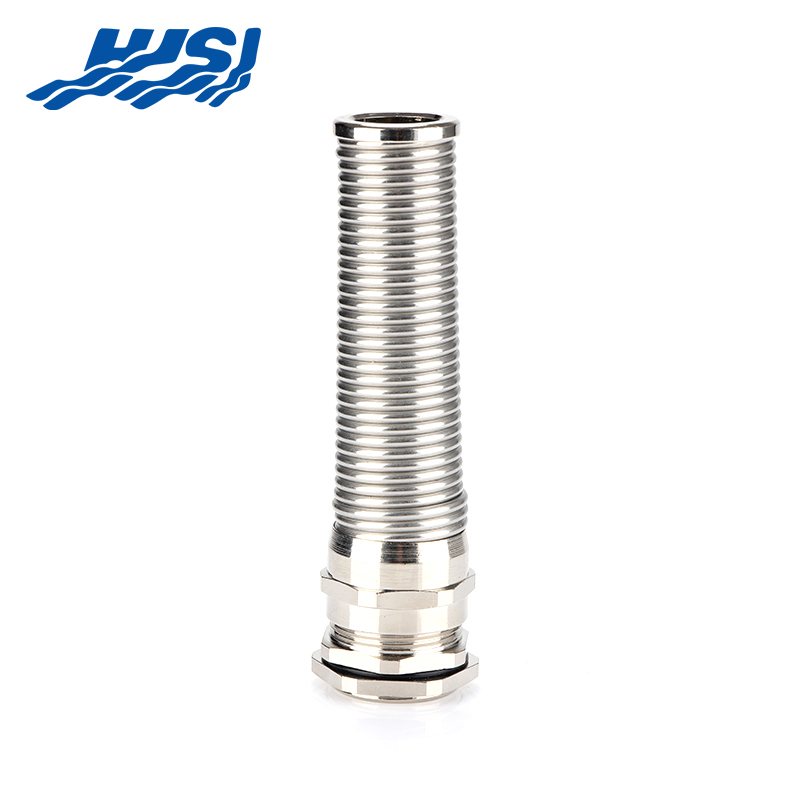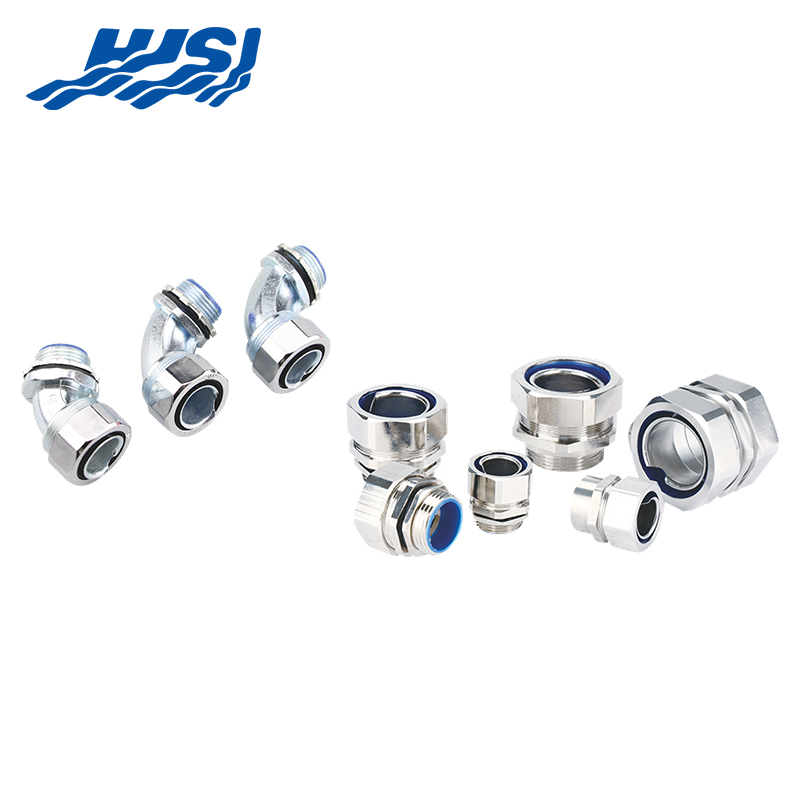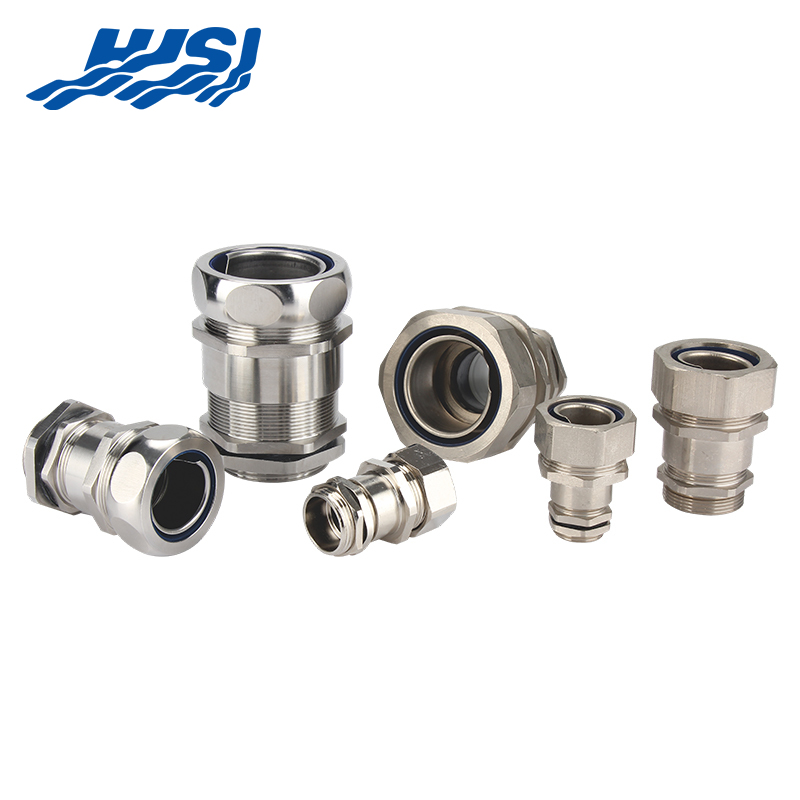
Cable Gland work as basic but important pieces in any electrical setup. They hold cables steady right where the wires go into or come out of boxes, panels, control cabinets, machine casings, or distribution units. The main jobs they do are stop the cable from being yanked out by tension or shaking, build a tight barrier against dust, water, oil, steam, or fumes getting inside, and keep the enclosure's protection level working properly. When they grip the cable well and block outside stuff from reaching the connections, they cut down on wiring wear, short circuits, connection failures, and bigger equipment problems.
A regular cable gland puts together a few simple parts that all do their share. The central body has threads on the outside so it screws through a hole drilled in the enclosure wall. Inside the body sits a flexible sealing piece—most often a rubber ring, soft grommet, or tapered cone—that squeezes tight around the cable's outer jacket once pressure comes on. A compression nut threads onto the front of the body to push the seal closed and clamp the cable at the same time. From the back side, a lock nut screws on to hold the whole gland firmly against the enclosure. Some versions add flat washers to spread the load more evenly, grounding rings when the cable has armor that needs to be bonded, or outer sleeves for extra shielding against weather or chemicals. Everything lines up so the force spreads out smoothly, the cable stays locked without cutting into the insulation, and the seal stays even all the way around.
Cable glands come in several material types, and each kind fits certain jobs, surroundings, and stresses better than others. Metal versions, plastic-based ones, and aluminum models make up the main groups, each with its own practical strengths.
Metal compression glands bring real toughness and solid protection when things get rough. The metal body stands up to hard pulling, pushing, twisting, or banging without giving way or cracking. That kind of strength matches well in factories where motors hum and vibrate all day, temperatures swing up and down, or tools occasionally bump into things. The way they work uses a metal ferrule or a sealing ring that tightens down on the cable covering, making a seal that keeps water and gas out reliably. That barrier stops harsh air, splashed liquids, fine dust, or tiny particles from reaching the wires and terminals inside.
How well metal glands resist rust and chemical damage depends on the exact alloy. Some metals naturally build a thin protective coating on the surface that fights back against oxygen, moisture, salts, and mild acids. That lets them handle outdoor rain, salty coastal wind, or indoor areas cleaned often with water and detergents. The strong build also carries electrical grounding nicely when used with cables that have metal armor or braiding, helping keep noise low and connections stable. Metal glands deal with higher heat and repeated shaking or movement without losing their grip or seal, so they tend to last longer and need replacing less often.
| Aspect | Key Details & Benefits |
|---|---|
| Corrosion Resistance | Depends on alloy; forms thin protective surface coating that resists oxygen, moisture, salts, mild acids |
| Environmental Tolerance | Handles outdoor rain, salty coastal air, frequent indoor washdowns with water/detergents |
| Grounding Capability | Strong electrical continuity; supports grounding for armored/braided cables, reduces EMI noise, stabilizes connections |
| Heat & Vibration Performance | Withstands higher temperatures and repeated mechanical movement/shaking without losing clamp or seal integrity |
| Service Life & Maintenance | Durable construction leads to longer lifespan and fewer replacements compared to less robust options |
Plastic cable glands give a lighter and usually cheaper choice for plenty of everyday uses. They get made from tough engineering plastics like nylon or similar compounds that stand up well to oils, many chemicals, and cleaning fluids. The plastic does not rust or pit when it meets acids, alkalis, or wash solutions, so these glands work fine in places that get hosed down regularly or handle chemical splashes.
The lower weight shows up clearly in big wiring jobs, equipment that moves around, or runs that hang overhead. Lighter parts make them easier to carry and put less pull on mounting surfaces. Plastic glands handle sunlight and outdoor weather without breaking down too fast in many cases. The slight give in the plastic lets it take small cable shifts or machine vibration without passing too much stress to the connection points.
Because plastic does not conduct electricity, it naturally isolates the circuit, which helps in control wiring or sensor lines where you want to avoid any stray current paths. The temperature range covers normal indoor work and moderate outdoor conditions, though very hot or very cold settings can push some plastic types to their limit. Strength under heavy impact or big pulling forces stays lower than metal, so plastic glands fit jobs where those extremes do not happen often.
Aluminum cable glands mix metal reliability with noticeably less weight than heavier metals. Aluminum grows its own thin oxide layer that gives decent protection against normal air and weather corrosion. It keeps its strength and shape through a wide range of temperatures, so it works indoors and outdoors without trouble.
The lighter feel helps a lot in vehicle wiring, big building projects, long overhead cable runs, or any place where cutting weight makes installation or support easier. Aluminum conducts electricity well, so it helps shield sensitive signals from outside noise and carries grounding when the setup needs it. These glands hold their clamp and seal steady even when temperatures change a lot or moderate shaking happens. Extra surface coatings can make them handle certain conditions even better.
Metal compression glands go into places where raw strength and tough sealing matter most. Chemical worksites, oil refineries, underground mines, heavy production floors, and ships or docks often count on them to keep power cables, control wires, and instrument lines safe from shaking, corrosive fumes, and rough handling. The solid grip and tight seal keep important equipment running without surprise stops.
Plastic glands make sense when lighter weight, resistance to chemicals, or built-in insulation come ahead of needing maximum toughness. Car assembly plants, smaller machines, heating and cooling systems, control boxes in cleaner areas, and some outdoor signs or monitoring setups use them because they resist rust and stay light. In rooms or lines cleaned often with sprays or chemicals, the plastic keeps working without pitting or wearing thin.
Aluminum glands sit nicely between the two for jobs that want corrosion protection, decent strength, and lower weight all at once. Solar panel connection boxes, wind turbine control cabinets, railway signal housings, big outdoor light arrays, and transport infrastructure projects turn to them for a practical mix of performance and easier handling.
Good results always start with careful installation. The gland size has to match the cable thickness and jacket type exactly. The hole in the enclosure needs to line up perfectly with the gland threads. Before anything goes together, the cable gets stripped cleanly, any rough edges smoothed off, and the outer covering wiped down so the seal can grip properly.
Tightening follows steady, even pressure—usually measured with a torque tool—so the seal compresses fully without crushing the cable or straining the threads. Cables with metal armor need special steps to connect the grounding properly and keep the armor from getting damaged. In tight corners or spots where the cable has to bend sharply, angled glands, extension pieces, or adaptors make the routing work smoothly. Once everything sits in place, a quick look checks that the seal sits evenly all around, no gaps show, and the lock nut holds firm.
In places with constant vibration or chemical exposure, coming back every so often to look at tightness and surface condition keeps things reliable. Doing the job right and checking now and then helps the gland stay protective and safe for years.
| Aspect | Key Details & Benefits |
|---|---|
| Environments Requiring Attention | Constant vibration or chemical exposure |
| Recommended Maintenance | Periodic visual inspections of tightness and surface condition |
| Purpose of Checks | Ensures ongoing reliability and protective performance |
| Installation & Ongoing Care | Proper initial fitting + regular checks extend gland life and safety |
| Long-Term Outcome | Maintains gland effectiveness and safety for many years |
Taking care of cable glands does not take much time. A regular visual check makes sure the nuts have not loosened and the seal still looks whole—no cracks, no hardening, no shifting out of place. In areas cleaned with water or chemicals, wiping the outside stops dirt or residue from building up. How often you need to look depends on the material and the surroundings—metal glands in rough conditions may need attention more often than plastic ones in calmer spots.
Long, trouble-free use comes from picking the gland material and style that really matches the actual heat, moisture, chemicals, movement, and weight needs of the job. Getting that match right cuts down on replacements, keeps unexpected breakdowns low, and helps the whole electrical system run steadily.
Cable gland stop outside stuff from sneaking in and causing insulation damage, short circuits, sparks, or bigger equipment failures. In areas labeled as hazardous because of flammable gases or dust, the right gland keeps the enclosure's explosion-proof or dust-tight rating working. Strong strain relief stops the wires inside from getting pulled and loosened, which could create weak spots or intermittent problems.
Cable gland are crucial for creating safe and reliable cable terminations, protecting electrical systems from mechanical stress, environmental corrosion, and potential hazards. They are widely used in industrial, commercial, and infrastructure applications. When choosing cable connectors, HJSI's non-metallic models meet a variety of installation needs, and thanks to their superior manufacturing processes and durable material formulations, they maintain long-term stable performance with minimal maintenance.
HJSI focuses on high-quality structural design and application-specific reliability, helping installers, engineers, and facility operators achieve safe and efficient wiring connections, thereby reducing the risk of failure, extending service life, and ensuring the overall integrity of electrical installations in real-world applications.

2nd Floor, Building 2, No. 188, Punan 3rd Road, Economic Development Zone, Yueqing City, Wenzhou City, Zhejiang Province, China

Copyright @ Zhejiang HJSI Connector Co., Ltd. All rights reserved.

China Waterproof Breathable Valve Manufacturer
 +86-15858552966
+86-13356176555
+86-15858552966
+86-13356176555
 English
 русский
 عربى
عربى