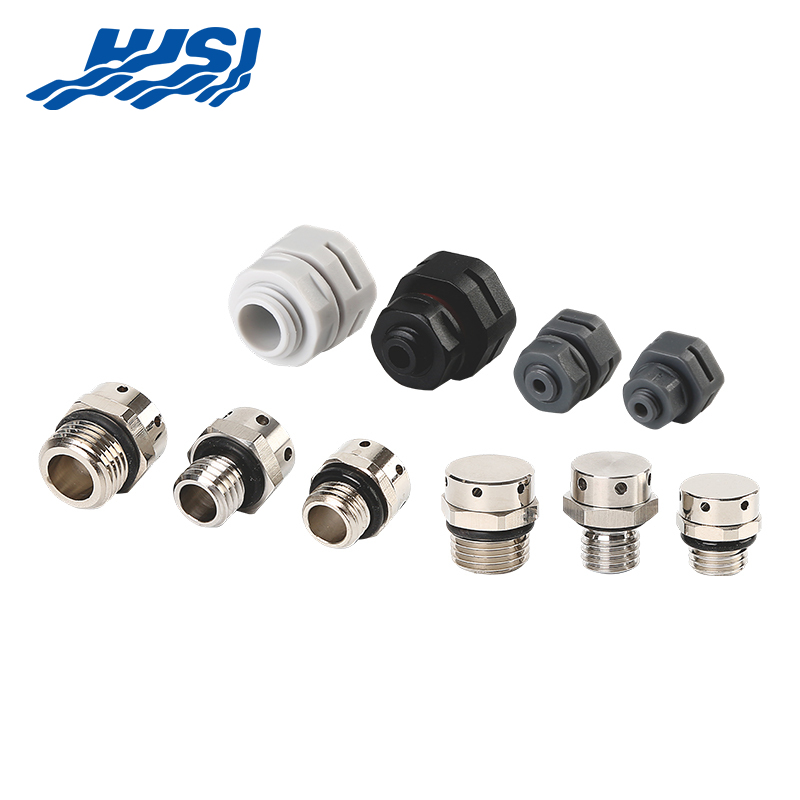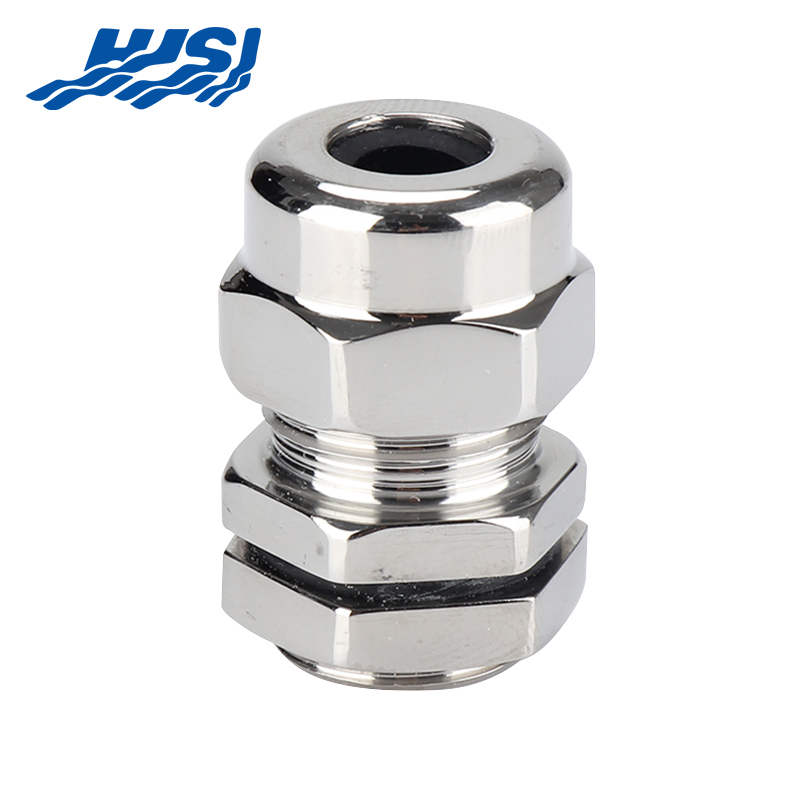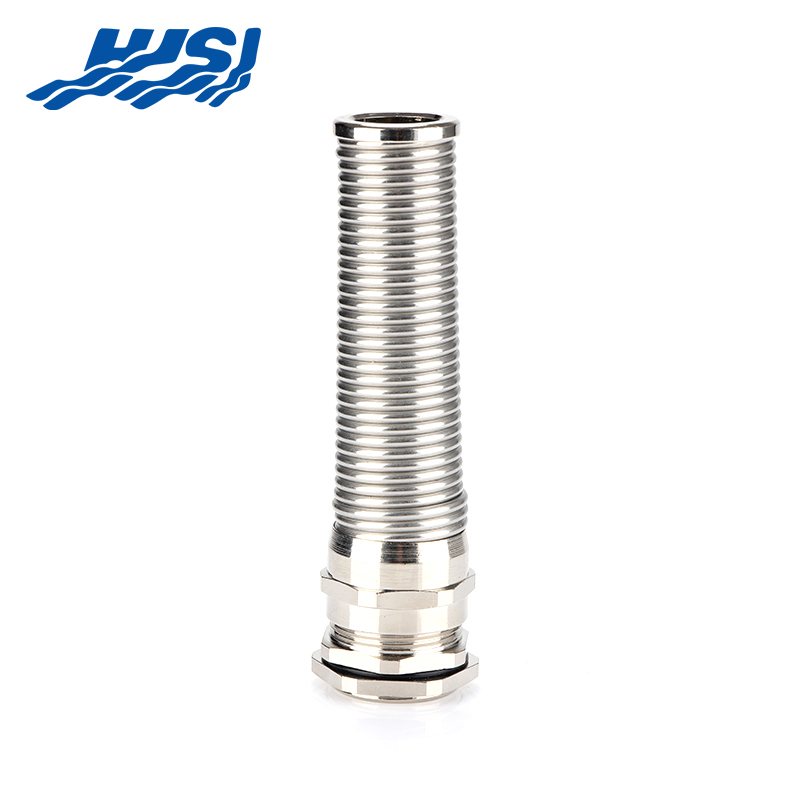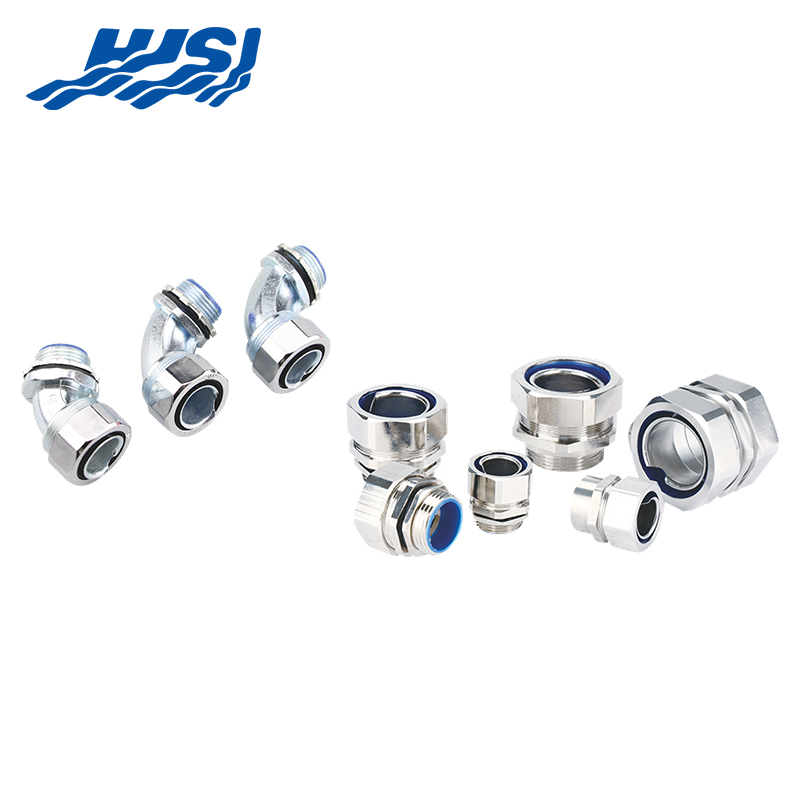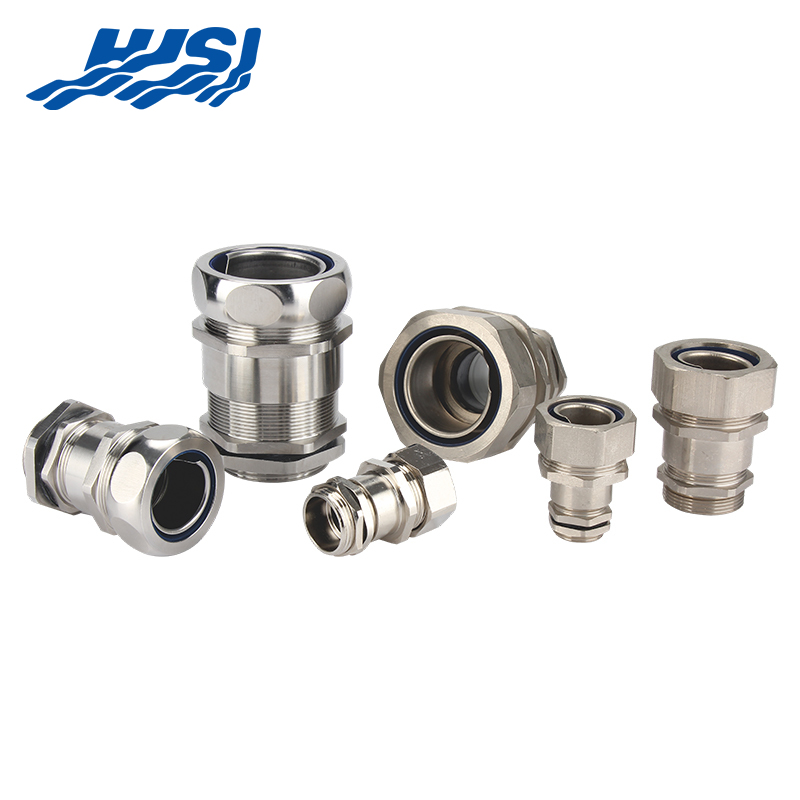
Stainless Steel Cable Gland serve as essential fittings in electrical installations, securing cables at the point where they enter or exit enclosures, junction boxes, control panels, or equipment housings. Their primary functions include providing mechanical strain relief to prevent cable pull-out, creating a reliable seal against environmental ingress, and maintaining the protective rating of the enclosure. By anchoring the cable and blocking dust, moisture, liquids, vapors, or gases, Stainless Steel Cable Gland help ensure safe operation and protect both the wiring and the equipment it connects to.
A standard cable gland assembly typically includes a main body with external threads that pass through a drilled hole in the enclosure wall. An internal sealing ring or grommet compresses around the cable sheath when pressure is applied. A compression nut screws onto the body to activate the seal and clamp the cable. A lock nut tightens from the inside to secure the gland firmly in place. In some configurations, additional components appear—such as flat washers for even load distribution, earth continuity rings for grounding armored cables, or shrouds for extra environmental protection. The design ensures even compression, secure retention, and effective sealing without damaging the cable insulation.
Material choice significantly affects gland performance in different conditions. Stainless steel stands out in applications where durability, corrosion resistance, and cleanliness matter. The alloy combines iron with sufficient chromium to develop a passive oxide layer that protects the underlying metal from oxidation and chemical attack. The 304 grade, widely used for these fittings, balances corrosion resistance, mechanical properties, and fabrication ease, making it suitable for a broad range of industrial and commercial settings.
The passive chromium oxide film on stainless steel renews itself in the presence of oxygen, even after minor surface scratches or abrasion. This self-healing property allows glands to endure prolonged exposure to water, humidity, salt-laden air, mild acids, and cleaning agents without developing rust or deep pitting. Outdoor installations subject to rain, coastal locations with airborne chlorides, or indoor facilities with regular washdowns all benefit from this stability. The resistance prevents seal degradation and maintains enclosure protection over extended periods.
Stainless steel offers considerable strength and toughness. It resists deformation under tensile loads, compressive forces, or shear stresses that arise from cable tension, machinery vibration, or accidental impacts. The material maintains clamping force and seal compression despite repeated thermal cycles or mechanical movement. This robustness supports reliable cable retention and prevents loosening in dynamic environments or setups with frequent handling.
The smooth, non-porous surface of stainless steel resists adhesion of contaminants, oils, residues, or biological material. Cleaning requires only mild detergents or sanitizers, with no need for aggressive abrasives. In facilities where hygiene standards dictate frequent washdown, the material withstands repeated exposure to water, steam, or chemical cleaners without surface deterioration. Low particle shedding and minimal crevice areas help maintain cleaner surrounding air and surfaces.
| Aspect | Key Benefits & Details |
|---|---|
| Surface Characteristics | Smooth, non-porous; resists adhesion of contaminants, oils, residues, biological material |
| Cleaning Method | Simple wiping with mild detergents or sanitizers; no aggressive abrasives required |
| Washdown Resistance | Withstands frequent exposure to water, steam, chemical cleaners without deterioration |
| Particle & Contamination Control | Low particle shedding; minimal crevice areas reduce buildup and maintain cleaner air/surfaces |
| Hygiene Suitability | Supports high hygiene standards in facilities requiring regular washdown and cleanliness |
Effective strain relief remains a core function. The compression mechanism applies uniform pressure around the cable jacket, distributing forces evenly and reducing localized stress on insulation. This clamping action prevents slippage under pull forces or vibration, protecting internal terminations from strain-related failures. In applications involving cable movement or flexing, secure retention minimizes wear and extends connection life.
Stainless steel glands are produced in various sizes, thread types, and configurations to accommodate different cable diameters, armor types, and enclosure entries. Straight, angled, or multi-hole designs fit space constraints and routing needs. Compatibility with armored, braided, or unarmored cables expands application scope. The material pairs well with different seal compounds to achieve required ingress protection levels, supporting both standard and specialized installations.
Saltwater exposure, high humidity, and constant motion create severe conditions for electrical components. Stainless steel glands resist chloride pitting and crevice corrosion, maintaining seal performance on ships, platforms, docks, or coastal infrastructure. They protect power, control, instrumentation, and communication cables from spray, condensation, and immersion risks. The mechanical strength withstands deck vibration, wave impact, and equipment movement.
Plants handling corrosive substances require fittings that tolerate chemical contact without degradation. Stainless steel glands resist attack from acids, alkalis, solvents, and hydrocarbons. In refineries, storage facilities, transfer stations, or manufacturing lines, they safeguard wiring from leaks, fumes, or splashes. The construction handles pressure fluctuations and vibration from rotating equipment.
Hygiene regulations demand materials that endure frequent cleaning and resist bacterial harboring. Stainless steel glands clean easily and tolerate sanitizing agents, steam, or high-pressure washdown. They secure cables for mixers, conveyors, fillers, sensors, and control panels in areas exposed to product residues or cleaning cycles. The non-reactive surface avoids contamination concerns.
Controlled environments require low contamination risk and easy sterilization. Stainless steel glands support these needs with smooth surfaces and resistance to disinfectants. They protect wiring for monitoring, filling, packaging, and environmental control systems in cleanrooms or sterile zones.
Exposed locations face rain, UV radiation, temperature extremes, and dust. Stainless steel glands maintain protection in solar farms, wind turbines, substations, traffic systems, or outdoor lighting. The durability accommodates thermal cycling and weather-related loads.
| Aspect | Key Details & Benefits |
|---|---|
| Environmental Challenges | Rain, UV radiation, temperature extremes, dust exposure |
| Protection Provided | Maintains reliable sealing and cable protection against weather elements |
| Typical Applications | Solar farms, wind turbines, substations, traffic systems, outdoor lighting |
| Durability Features | Resists thermal cycling and weather-related mechanical loads |
| Overall Advantage | Ensures long-term performance and enclosure integrity in exposed outdoor settings |
Manufacturing involves precision machining to achieve accurate threads, sealing surfaces, and tolerances. The alloy's properties permit consistent forming while preserving strength. Surface finishing enhances corrosion resistance and appearance. Quality assurance includes dimensional checks, pull-out testing, seal compression verification, and material certification.
Brass glands provide good conductivity and moderate corrosion resistance in milder conditions but may require protective coatings in aggressive environments. Plastic glands offer electrical isolation, light weight, and lower cost but lack mechanical strength and chemical tolerance in harsh settings. Aluminum provides lightweight construction but offers less resistance to certain corrosives. Stainless steel excels where long-term durability, hygiene, and robustness take priority.
Correct fitting requires proper thread engagement, controlled torque on nuts, and correct cable preparation. Stripping insulation to the right length and cleaning the sheath ensure optimal seal contact. Armored cables need proper termination for grounding continuity. Following recommended procedures maintains ingress protection and mechanical performance.
Cable glands prevent ingress that could cause short circuits, arcing, or equipment failure. In classified hazardous areas, appropriate designs preserve explosion-proof or intrinsically safe ratings. Secure retention avoids strain-induced connection failures.
Stainless steel glands require minimal routine attention. Visual inspections confirm tightness and surface condition. The inherent resistance reduces replacement frequency compared to less durable alternatives.
Stainless steel cable glands provide a robust, corrosion-resistant, and mechanically reliable solution for securing and protecting cables in harsh environments, suitable for a wide range of applications from marine and chemical facilities to food production, pharmaceutical plants, and outdoor infrastructure.
HJSI stainless steel cable glands offer reliable corrosion resistance and long-term durability even in corrosive environments; provide strong mechanical clamping and strain relief for secure connections; feature a smooth, easy-to-clean surface to meet hygiene requirements; and adapt to various cable types and installation needs through a flexible and practical design. HJSI focuses on consistent manufacturing quality and durable material formulations, ensuring its cable glands deliver reliable performance with minimal maintenance over their lifespan, thus helping to protect electrical systems, maintain enclosure integrity, and reduce the risk of downtime or failure.

2nd Floor, Building 2, No. 188, Punan 3rd Road, Economic Development Zone, Yueqing City, Wenzhou City, Zhejiang Province, China

Copyright @ Zhejiang HJSI Connector Co., Ltd. All rights reserved.

China Waterproof Breathable Valve Manufacturer
 +86-15858552966
+86-13356176555
+86-15858552966
+86-13356176555
 English
 русский
 عربى
عربى