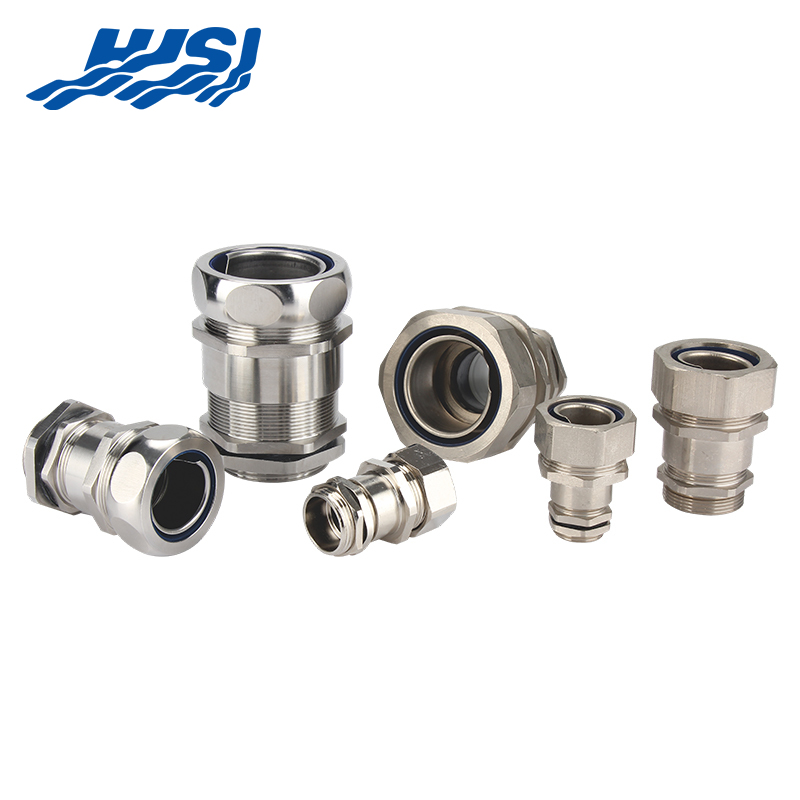
In electrical engineering and hands-on projects, connectors form the foundation for reliable power and signal transfer. They help maintain system integrity across diverse environments and applications. Three particular varieties—multi-wire electrical connectors, fuse cable connectors, and waterproof silicone wire connectors—address specific challenges in wiring setups, offering practical solutions from a trusted Electrical Connector Factory for different conditions.
Multi-wire electrical connectors allow several wires to join at a single point, which simplifies handling complex circuits. These components prove useful when space is limited or when numerous connections must converge efficiently.
Adaptability stands out as a core characteristic. They accommodate a range of wire sizes and materials, enabling adjustments to suit varied project demands. This capability supports integration into systems with mixed wiring requirements without needing excessive adapters.
User-friendly aspects further enhance their value. Terminals often feature visual aids such as color coding or numbering, guiding proper wire placement and helping reduce installation mistakes. This design benefits both seasoned professionals and those tackling projects for the first time.
| Characteristic | Description | Benefits |
|---|---|---|
| Adaptability | Accommodates various wire sizes and materials | Fits mixed wiring needs without extra adapters |
| User-Friendly Design | Terminals with color coding or numbering | Guides correct wire placement, reduces errors |
| Target Users | Suitable for both experienced professionals and beginners | Simplifies installation for all skill levels |
Robust construction contributes to long-term performance. Materials chosen for these connectors handle mechanical stress, temperature variations, and exposure to elements that might otherwise cause degradation. This strength supports consistent operation in active settings.
Practical examples illustrate their role in everyday scenarios. In vehicles, they organize connections for systems including lighting, instrumentation, and engine controls, where multiple circuits interact in compact areas. This arrangement aids maintenance and troubleshooting.
Household devices benefit similarly. Appliances that rely on coordinated electrical inputs, such as those managing heating, cooling, or timing functions, use these connectors to centralize wiring. Organized layouts facilitate repairs and upgrades.
Industrial machinery often incorporates them for coordinated operations. Equipment involving sensors, actuators, and control units requires reliable multi-point connections, and these connectors provide the necessary structure for dependable performance.
Fuse cable connectors incorporate protective elements directly into the connection point, safeguarding circuits from excessive current. An internal fuse interrupts flow when limits are exceeded, offering a straightforward safeguard.
Protection forms the primary purpose. By responding to overloads or faults, these connectors help prevent damage to wiring, components, or attached equipment. The fuse serves as an indicator of issues, allowing quick identification of problems.
Ease of maintenance adds convenience. When a fuse activates, replacement involves basic steps without requiring specialized equipment in many cases. This accessibility minimizes interruption during repairs.
Variety in design ensures suitability across different setups. Configurations exist to handle various current levels and physical constraints, aligning with the needs of particular circuits.
In residential wiring, these connectors appear in areas susceptible to overloads, such as lighting branches or accessory outlets. They contribute to overall circuit safety in homes.
Commercial installations use them to protect distribution systems. In offices, retail spaces, or similar environments, they help maintain operational continuity by addressing potential faults promptly.
Vehicle electrical systems frequently include them. Inline placement protects sensitive modules, accessories, and main power lines from shorts or surges, supporting reliable function under driving conditions.
Waterproof silicone wire connectors prioritize moisture resistance, creating sealed joints that withstand wet conditions. Silicone material or gel filling forms a barrier against water entry.
Sealing effectiveness remains a key feature. The material conforms around wires, blocking ingress that could lead to corrosion or short circuits. This protection extends connection life in exposed locations.
Environmental durability supports outdoor viability. Resistance to sunlight, temperature swings, and other factors ensures stability when used beyond indoor settings.
Simple application methods appeal to users. Many designs involve inserting wires and securing the connection, with the sealant activating automatically. This approach suits rapid installations.
Outdoor lighting arrangements represent a common use. Pathway, garden, or decorative fixtures exposed to weather rely on these connectors to maintain integrity during rain or humidity.
Marine environments demand strong protection against constant moisture. Connections for lighting, pumps, navigation equipment, or communication devices benefit from watertight seals in such settings.
Agricultural operations encounter similar challenges. Machinery operating in fields or during irrigation uses these connectors to shield electrical systems from water, dust, and variable conditions.
Choosing among these connector types requires evaluating project specifics. Multi-wire options suit organized, high-density wiring needs. Fuse-integrated versions provide essential overcurrent safeguards. Silicone-based waterproof connectors excel where moisture poses risks.
Several factors guide selection. Current capacity, wire compatibility, environmental exposure, and installation constraints all influence the best fit. Aligning these with connector capabilities promotes safe, effective results.
Proper installation practices enhance reliability. Preparing wire ends cleanly, ensuring secure contact, and verifying alignment prevent issues like poor conductivity or loosening. Techniques such as crimping or appropriate joining methods strengthen connections.
| Section | Key Points | Main Purpose / Benefit |
|---|---|---|
| Choosing Connector Type | - Multi-wire: for organized, high-density wiring - Fuse-integrated: for overcurrent protection - Silicone waterproof: for moisture-prone environments |
Match type to project-specific needs |
| Selection Factors | - Current capacity - Wire compatibility - Environmental exposure - Installation constraints |
Ensure safe and effective connector fit |
| Proper Installation | - Clean wire ends - Secure contact & alignment - Use crimping or suitable joining methods |
Prevent poor conductivity, loosening, and failures |
Ongoing care supports performance. Regular checks for signs of wear, buildup, or damage allow timely corrections. Cleaning contacts and addressing minor issues maintain efficiency.
Potential difficulties include mismatched components leading to unreliable performance or heat buildup. Verifying compatibility and adhering to load limits mitigates these concerns. Vibration in dynamic applications calls for secure locking features.
Temperature extremes require materials suited to the range encountered. High-vibration environments benefit from designs that resist movement.
Ongoing developments in connector technology focus on enhanced materials for conductivity and protection. Modular approaches facilitate adaptation to evolving requirements.
Integration with modern systems continues to grow. Connectors handling both power and data support emerging applications in automation and connected devices.
Environmental considerations shape future designs. Approaches emphasizing reduced impact align with sustainability goals in electrical work.
For enthusiasts, these connectors enable custom builds. Projects involving lighting, audio, sensors, or control systems gain from dependable joining methods.
Professionals apply them to streamline tasks. In workshops, field service, or assembly, consistent components improve efficiency and outcomes.
Basic knowledge of these tools empowers users. Resources on general principles guide safer, more effective practices.
Real-world examples highlight utility. A vehicle modification might employ multi-wire connectors for added features, simplifying harness management. Outdoor installations could use silicone types to protect splices from seasonal weather. Circuit protection in equipment often incorporates fuse connectors for added security.
When problems occur, systematic checks help. Inspect for loose elements, test continuity, and verify protection devices function as intended.
Safety fundamentals remain essential. Disconnect power sources before handling connections. Employ protective equipment to minimize risks.
In the diverse landscape of electrical connectors, HJSI emerges as a fitting choice for those seeking dependable solutions in multi-wire, fuse-integrated, and waterproof applications. As a specialized manufacturer with a strong focus on quality cable glands, conduit fittings, and related wiring accessories, HJSI combines robust engineering with practical design principles that align closely with the needs outlined throughout this article.
Professionals and enthusiasts alike find value in selecting HJSI because of this consistent commitment to functionality and longevity, ensuring that electrical connections remain secure and efficient across automotive, industrial, outdoor, and marine projects. By prioritizing such a manufacturer, users gain confidence in components that support safe, organized, and resilient wiring systems tailored to real-world challenges.

2nd Floor, Building 2, No. 188, Punan 3rd Road, Economic Development Zone, Yueqing City, Wenzhou City, Zhejiang Province, China

Copyright @ Zhejiang HJSI Connector Co., Ltd. All rights reserved.

China Waterproof Breathable Valve Manufacturer
 +86-15858552966
+86-13356176555
+86-15858552966
+86-13356176555
 English
 русский
 عربى
عربى