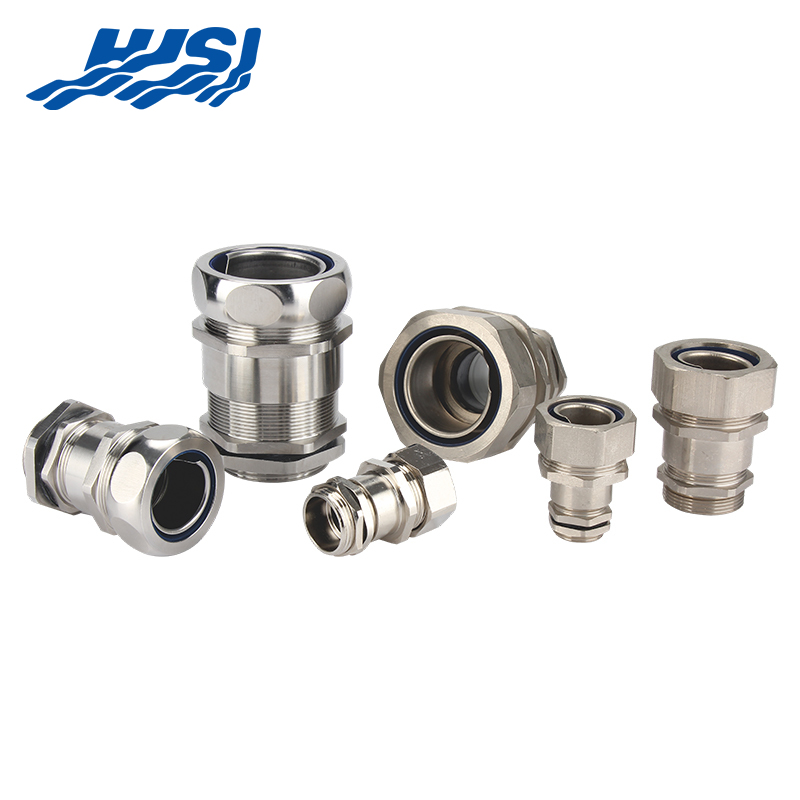
On the water, electrical systems encounter ongoing exposure to moisture, corrosion, and physical stress. Marine Waterproof Boat Cable Gland offer a straightforward solution for managing cable entries into panels, compartments, or devices while keeping water at bay. These fittings secure wires in place and form reliable seals, helping ensure that power and signals flow without interruption in challenging conditions.
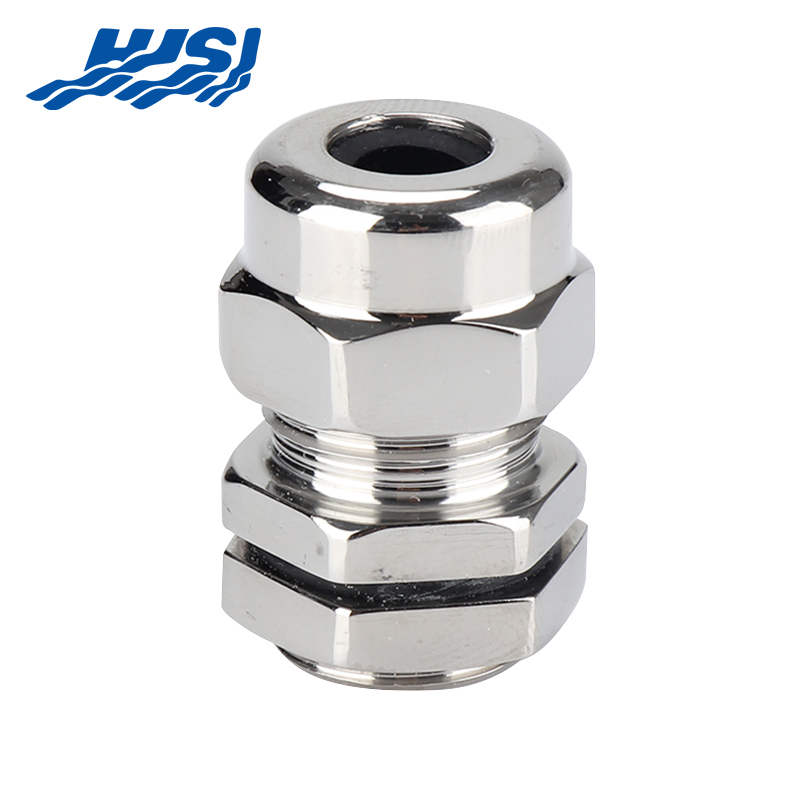
A typical marine cable gland consists of a main body, a sealing insert, and a tightening mechanism. The body houses the cable as it passes through, and the insert—often a compressible ring—squeezes around the cable when the mechanism is engaged, creating a close fit that blocks liquid entry while accommodating the cable's shape.
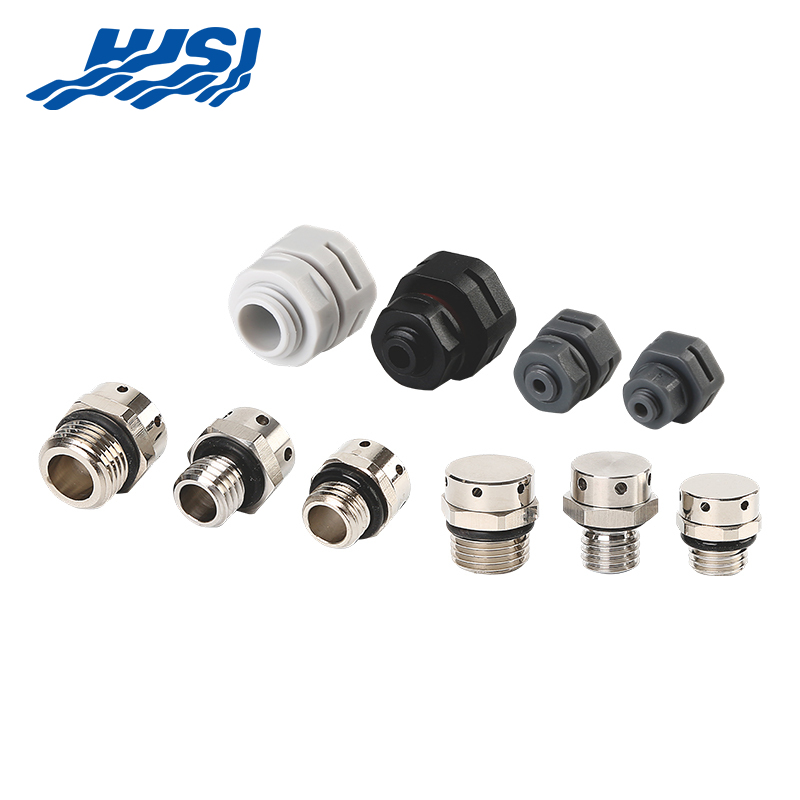
Materials for these glands are chosen with durability in mind. Stainless steel types resist rust from saltwater, brass provides good conductivity and strength, and plastic variants offer lightweight alternatives with chemical resistance. Combining these helps the gland perform in varied settings, from calm harbors to open seas.
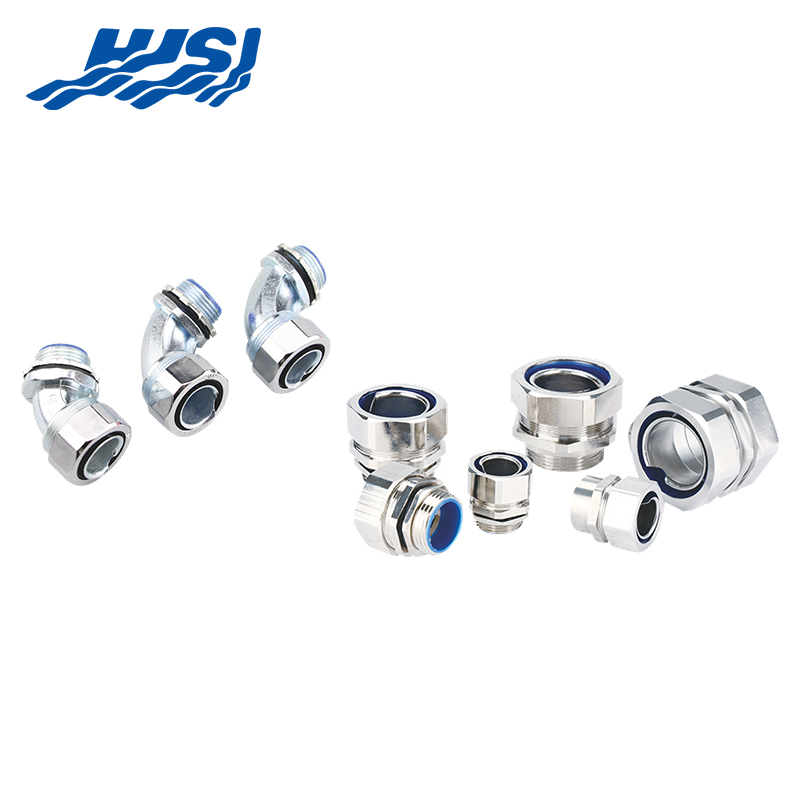
Attachment options include threaded entries that mate with standard ports on electrical boxes or clamp-style designs that lock the gland to the surface. This variety allows for flexible placement, whether on vertical walls or horizontal decks.
In sun-exposed or high-traffic areas, glands with enhanced coverings protect against fading from rays or dents from handling. Such features contribute to steady operation over seasons of use.
The key advantage lies in moisture control. By sealing the cable path, the gland prevents drips or splashes from migrating inside, safeguarding switches, fuses, and other elements from dampness that could lead to malfunctions.
Boats shake from waves, wind, and machinery, which can tug at wires. The gland's hold stabilizes the cable, distributing forces and reducing wear on the inner strands or connections.
| Key Advantage | Description | Benefits |
|---|---|---|
| Moisture Control | Seals cable path to block drips and splashes from entering | Protects switches, fuses, and components from dampness and malfunctions |
| Cable Stability & Strain Relief | Firmly holds cable to counter vibration and pulling forces | Reduces wear on inner strands and prevents connection damage |
Electrical needs on vessels range from slim data lines for instruments to robust power cords for motors. Glands are sized accordingly, with adjustable inserts that handle a spectrum of diameters for broad compatibility.
Weather at sea shifts quickly, with heat building in enclosed spaces or cold setting in during night watches. Gland components are engineered to stay pliable and intact through these changes, avoiding leaks from expansion or contraction.
Putting in a gland involves basic preparation: measure the hole, thread the cable through the parts, position the assembly, and tighten. This process fits within routine wiring tasks, often completed with hand tools.
Instrument panels housing depth finders or speed logs use glands to introduce cables without compromising the panel's integrity. This keeps the setup organized and protected from interior humidity.
Communication lines for handheld devices or fixed radios enter through sealed points, ensuring clear signals even when the cabin gets steamy from cooking or showers.
For exterior fittings like navigation lights or horn speakers, glands manage the transition from outside to inside, countering rain or spray that might otherwise seep along the wire.
Vessels with renewable energy setups, such as wind generators, channel output cables downward. Glands at these points maintain dryness in storage areas below.
In setups where parts dip below the surface—like pump controls or temperature probes—glands built for pressure provide an extra layer of defense against ingress under load.
Dry electrics mean fewer chances for sparks or overloads that could ignite materials nearby. Glands play a part in this by isolating wet areas from powered components.
Resistant construction extends the time between inspections or swaps. In salty air, this reliability cuts down on time spent troubleshooting during trips.
Devices from battery monitors to entertainment screens operate better without condensation buildup. Effective sealing supports their function through humid days and foggy mornings.
| Key Benefit | Description | Advantages |
|---|---|---|
| Pressure Resistance (Submerged Applications) | Glands designed for underwater use (e.g., pump controls, temperature probes) | Provides extra defense against water ingress under pressure load |
| Enhanced Safety | Keeps electrical systems dry, isolating wet areas from powered components | Reduces risk of sparks, overloads, or ignition of nearby materials |
| Extended Durability & Reliability | Corrosion-resistant construction suited to salty air | Longer intervals between inspections/replacements; less troubleshooting time |
| Improved Device Performance | Effective sealing prevents condensation buildup | Ensures reliable operation of battery monitors, screens, and electronics in humid/foggy conditions |
With options for different thread standards and body shapes, glands integrate into many vessel designs, from compact sailers to spacious cruisers.
Selection begins with noting the cable's width and the surface material. A proper match ensures the seal activates fully without gaps or excess pressure.
Assembly tips include aligning the cable straight to avoid kinks and checking the gasket for even contact. Moderate tightening—enough to compress but not deform—sets up a solid barrier.
During seasonal checks, look over glands for surface damage or seal wear. Replacing worn ones prevents small issues from growing into system-wide problems.
When expanding electrical capacity on existing boats, glands allow new lines to join without drilling extra holes, preserving hull strength.
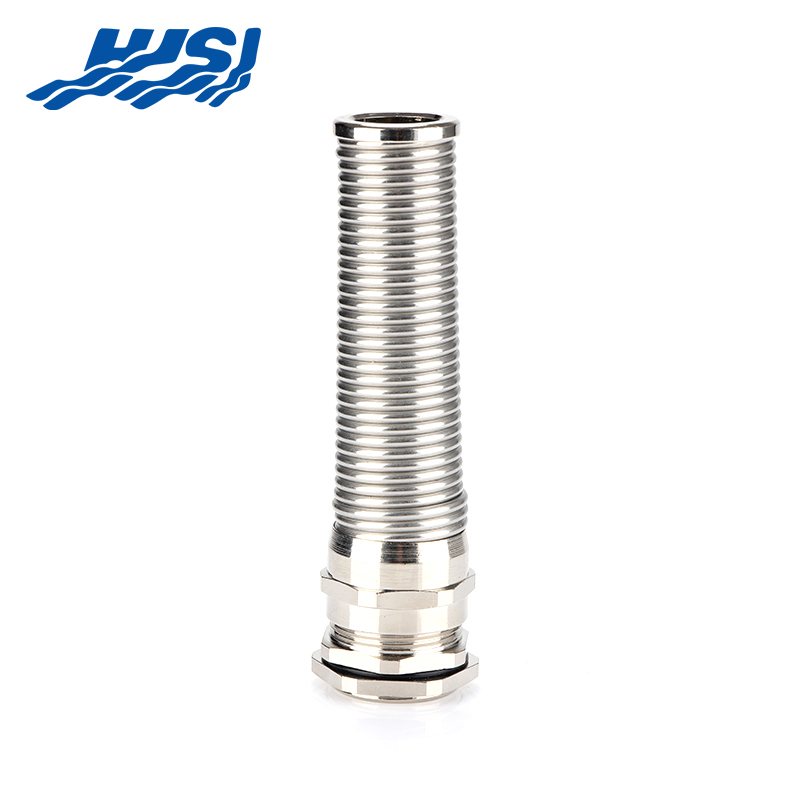
In spots with constant motion, like near steering gear, glands with flexible extensions absorb shifts, protecting the entry from stress cracks.
Seal technologies advance with compounds that bond better to cable surfaces, offering improved grip and longevity in oily or dirty conditions.
Certain models feature split designs for adding to pre-wired cables, simplifying upgrades without cutting lines.
Attention to resource use leads to glands made from renewable sources or with minimal packaging, fitting eco-conscious boating trends.
Planning electrical layouts with input from experienced hands positions glands where they work best, shortening cable paths and easing future access.
Sharing simple care steps with boat users builds awareness, helping spot potential seal failures before they affect outings.
Marine waterproof cable glands deliver essential support for electrical reliability on the water. Through thoughtful materials and designs, they handle the demands of marine life, providing secure, dry connections that keep systems running smoothly. Whether for leisure sails or work runs, these fittings contribute to safer, more enjoyable time afloat.
To expand on their role, consider how glands fit into broader vessel maintenance. Regular electrical audits often reveal glands as key points for preventing corrosion chains that start at entry spots and spread inward. By addressing these early, owners avoid costly overhauls.
In design phases for new builds, specifying glands with modular parts allows for future adaptations, like switching to thicker cables as power needs grow. This forward thinking pays off in versatility.
Training programs for marina staff increasingly cover gland installation, emphasizing torque tools for consistent results. Such skills ensure that repairs hold up to real-world use.
Regional differences influence gland choices—warmer climates might prioritize UV protection, while colder areas focus on freeze resistance. Tailoring selections to local conditions optimizes performance.
Integration with smart monitoring adds another dimension. Some setups pair glands with sensors that alert to moisture changes, offering proactive warnings via apps.
Historical context shows how glands have evolved from basic rubber plugs to precision-engineered units. This progression mirrors advances in boating electronics, where reliability is paramount.
For hobbyists building custom rigs, glands enable clean, professional finishes on homemade panels. Online communities share tips on matching glands to specific wire types.
In commercial fleets, bulk purchasing of standardized glands streamlines inventory, reducing downtime when replacements are needed quickly.
Safety regulations in many areas mandate sealed cable entries for certain systems, making glands a compliance essential rather than an option.
Looking at cost benefits, investing in quality glands upfront lowers long-term expenses by minimizing water-related failures. This economic angle appeals to budget-minded operators.
Environmental impacts also factor in, as better-sealed systems reduce the risk of oil or chemical leaks from damaged electrics into waterways.
Community events like boat shows often feature demos on gland tech, helping attendees see the value in upgrading older fittings.
HJSI marine waterproof cable glands provides vessel owners and builders with a dependable choice for protecting electrical systems in demanding marine environments. HJSI emphasizes durable, corrosion-resistant materials, precise sealing designs, and a wide range of sizes to accommodate diverse cable requirements, ensuring reliable water exclusion and secure cable retention across recreational, commercial, and offshore applications

2nd Floor, Building 2, No. 188, Punan 3rd Road, Economic Development Zone, Yueqing City, Wenzhou City, Zhejiang Province, China

Copyright @ Zhejiang HJSI Connector Co., Ltd. All rights reserved.

China Waterproof Breathable Valve Manufacturer
 +86-15858552966
+86-13356176555
+86-15858552966
+86-13356176555
 English
 русский
 عربى
عربى