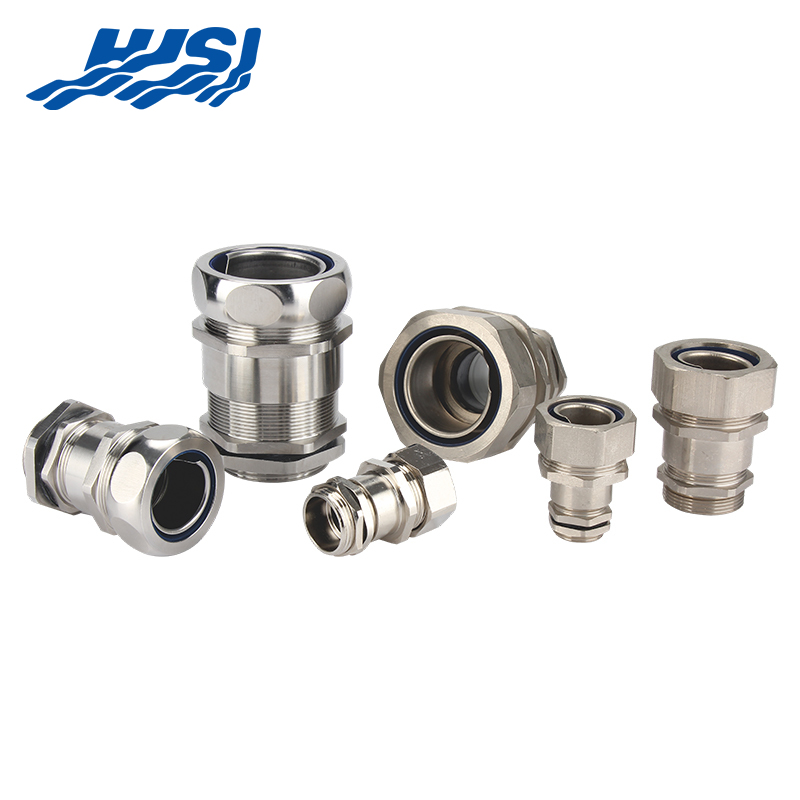
Wiring in buildings and industrial setups needs solid protection from physical damage, moisture, and everyday wear. Galvanized flexible metal cable steel corrugated conduit, also known as Flexible Steel Conduit, provides a straightforward way to shield cables while allowing easy installation in tricky spaces. This conduit has earned its place in many projects because it balances durability with practical handling.
The conduit starts as steel strip formed into a tube with a corrugated pattern—alternating ridges and grooves that give it bendability. Workers can curve it around corners or obstacles without special tools or extra pieces. A zinc coating applied through galvanization covers the steel, forming a shield that slows rust formation and helps the conduit last longer in damp or outdoor conditions.
Flexibility stands out as a main advantage. Rigid pipes demand precise measurements and multiple fittings for turns, but this corrugated version bends smoothly on site. That makes it handy for retrofits, where new wiring must weave through existing structures, or for runs that follow walls, ceilings, or machinery frames. Fewer joints mean fewer potential weak spots and quicker setup time.
The zinc layer adds meaningful corrosion protection. In places where humidity, splashes, or mild chemicals are present, unprotected steel would rust over time. The galvanizing lets the zinc wear away gradually instead of the steel, preserving the conduit's strength. This works well in basements, garages, workshops, or exterior enclosures exposed to rain and temperature swings.
Safety remains a core reason to use metal conduit. It fully surrounds the cables, guarding against cuts, crushing, or abrasion from nearby materials. By blocking moisture entry, it lowers the odds of electrical shorts or insulation breakdown. The steel body also serves as a grounding path, helping manage stray currents. Building codes often call for such shielding in exposed or hazardous areas, and this conduit helps meet those rules in homes, offices, and factories.
Installations span a variety of settings. Industrial plants route it to control panels, sensors, and moving equipment, where vibration could otherwise chafe cables. The flexibility accommodates machine movement without stressing wires. Commercial spaces like stores or office buildings tuck it into suspended ceilings or partition walls for lighting and power lines, keeping everything neat and protected.
In residential work, electricians use it in attics, crawl spaces, or laundry areas prone to dampness. Home renovations benefit from its adaptability—new circuits can snake through older construction without tearing out large sections. Outdoor applications include garden lighting, pool pumps, or security systems, where the galvanized coating handles weather exposure.
| Application Setting | Use Cases and Benefits |
|---|---|
| Residential (Indoor) | Attics, crawl spaces, laundry areas; protects against dampness |
| Home Renovations | Adaptable routing; adds new circuits without major demolition |
| Outdoor | Garden lighting, pool pumps, security systems; galvanized coating resists weather |
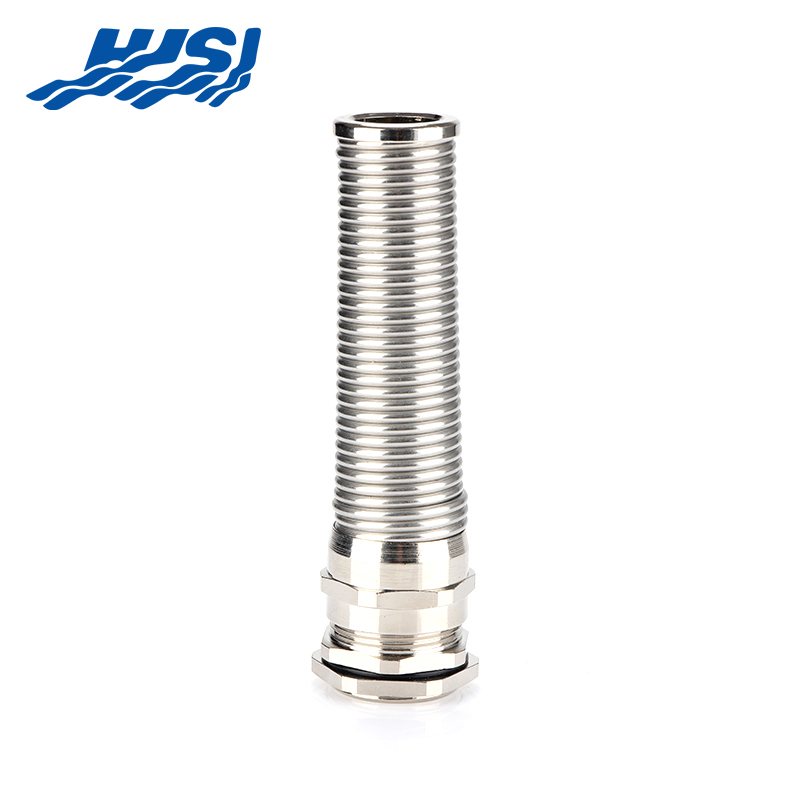
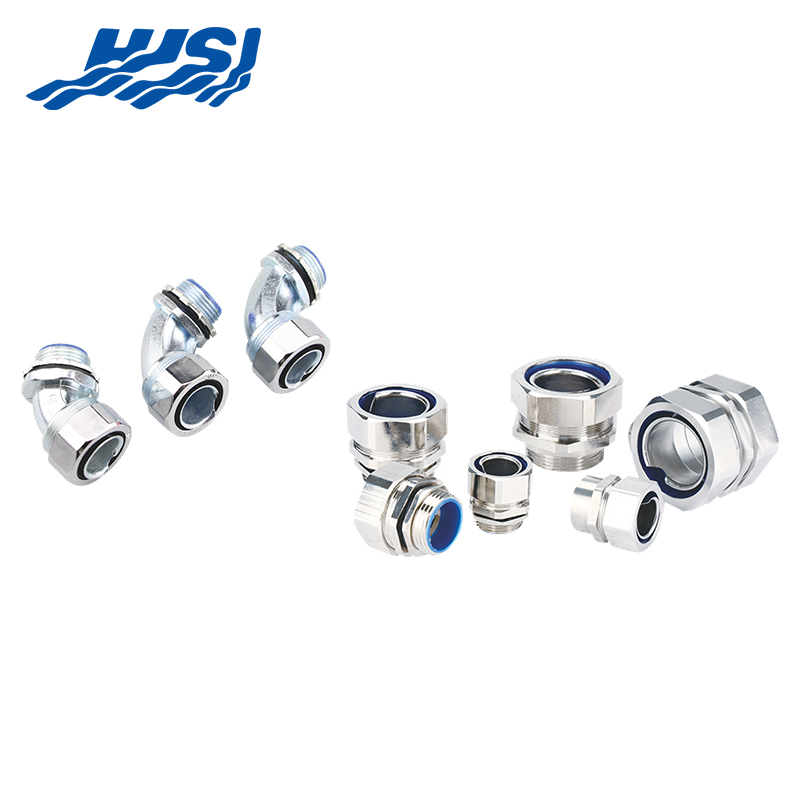
Putting it in place is relatively simple. Standard snips cut it to length, and clamps or straps hold it steady. Connectors join sections or link to junction boxes with a secure twist or screw fit. The corrugated surface grips fittings firmly, reducing slippage. Grounding clips attach easily to maintain electrical continuity.
Day-to-day care is light. A quick look for dents, loose supports, or unusual coating wear usually suffices. In dusty or salty environments, occasional wiping removes buildup that could trap moisture. Because the zinc does its job well, full replacements come rarely, saving effort and expense compared to uncoated materials.
Longer service life also ties into sustainability. Less frequent replacement means fewer resources used over the years. Steel itself is recyclable, and the durable design cuts down on waste from premature failures. Projects aiming for efficient material use find this conduit fits naturally.
Looking at alternatives helps show where it shines. Rigid steel conduit offers excellent strength but requires careful planning and more fittings for direction changes. Plastic conduit is lighter and naturally corrosion-resistant yet may not provide the same mechanical shield in high-impact zones. The galvanized flexible steel option lands in between—tough enough for demanding spots while easy to work with in confined or curved runs.
Upfront cost sits higher than basic plastic, but the combination of faster installation and extended durability often evens out over time. Contractors value the reduced labor on complicated layouts, and owners appreciate fewer service calls later.
Production involves rolling steel into strips, welding them into tubes, corrugating for bendability, and dipping in molten zinc for even coverage. Checks along the way confirm coating quality and flexibility, delivering consistent pieces ready for the job site.
Choosing the correct diameter leaves room for cables to slide in smoothly and allows airflow to prevent overheating. Slightly oversized runs make future additions simpler if needs change.
| Consideration | Benefit |
|---|---|
| Correct Diameter | Allows smooth cable insertion; provides airflow to prevent overheating |
| Slightly Oversized | Simplifies future cable additions when needs change |
It pairs well with modern electrical trends. Data cables, automation wiring, or smart building controls all gain from the same physical protection. When power and low-voltage lines run nearby, the metal barrier helps keep signals clean.
A few practical notes apply. Weight is greater than plastic, so long overhead stretches need adequate supports. Horizontal sections should slope slightly or include drain points to avoid water pooling inside. Proper grounding at connections remains essential for safety.
Developments continue in coating techniques and steel compositions to lighten the product or boost resistance in specific conditions, keeping the core benefits intact.
Choosing HJSI for galvanized flexible metal cable steel corrugated conduit means selecting a supplier focused on delivering reliable, high-quality products tailored to real-world electrical needs.
With an emphasis on durable steel construction, consistent galvanization for corrosion resistance, and flexible corrugated designs that simplify installation, HJSI provides conduits that offer lasting cable protection across industrial, commercial, residential, and outdoor applications. The combination of straightforward maintenance, compliance support, and practical performance makes HJSI a solid partner for projects requiring dependable wiring solutions that stand up to environmental challenges over time.

2nd Floor, Building 2, No. 188, Punan 3rd Road, Economic Development Zone, Yueqing City, Wenzhou City, Zhejiang Province, China

Copyright @ Zhejiang HJSI Connector Co., Ltd. All rights reserved.

China Waterproof Breathable Valve Manufacturer
 +86-15858552966
+86-13356176555
+86-15858552966
+86-13356176555
 English
 русский
 عربى
عربى