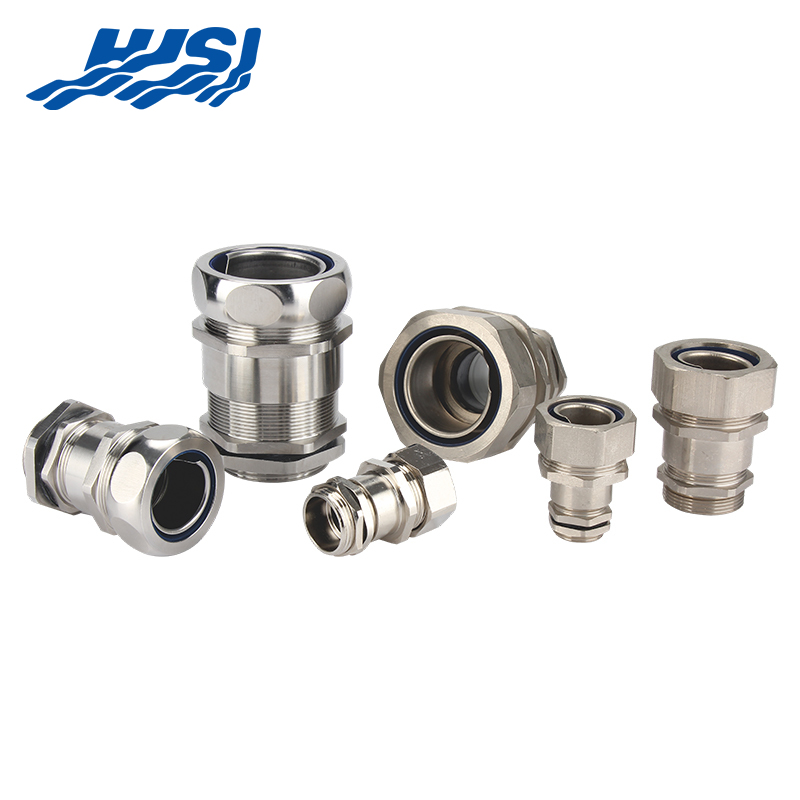
Wire connectors are fundamental components in electrical work, providing secure links between wires while addressing safety and environmental concerns. Waterproof Wire Splices, insulated wire connectors, and solderless wire connectors each serve specific roles, offering solutions for different conditions and installation needs. These connectors help maintain reliable circuits in automotive, marine, residential, and industrial settings.
Waterproof wire splices are designed to join wires while blocking water entry. They are useful in areas exposed to humidity or liquid, such as outdoor lighting or vehicle wiring.
A main feature is the sealing mechanism. Rubber or silicone seals surround the connection, creating a barrier against moisture. This prevents corrosion on metal conductors and reduces short circuit risks from water contact.
Durability is another aspect. These splices withstand temperature changes, chemical exposure, and physical strain. The materials used resist wear, supporting long-term performance in challenging conditions.
Installation is straightforward. Many types require crimping to attach wires, followed by a cover that shrinks with heat to enhance the seal. This process creates a protected joint without complex tools.
Applications include marine systems, where saltwater exposure occurs, and automotive electronics, where road spray is common. In outdoor electrical setups, they protect connections in garden lights or security cameras. Industrial equipment in damp areas also benefits from their protective qualities.
By keeping moisture out, waterproof wire splices extend wire life and maintain system reliability. They contribute to safer operations in wet environments.
Insulated wire connectors combine electrical joining with protective covering to prevent accidental contact. They are common in setups where safety from shocks or shorts is a priority.
The insulation layer, often PVC or nylon, covers the conductive parts. This barrier reduces risks if wires are handled or if enclosures are opened. It also isolates connections to avoid unintended paths between circuits.
Designs vary to fit different needs. Twist-on types screw onto wire ends for quick joins. Push-in versions allow wires to slide in for fast assembly. Crimp styles use tools to compress for secure holds.
Durability comes from materials that resist heat, chemicals, and abrasion. This ensures the insulation stays effective even in warm or harsh locations.
These connectors appear in residential wiring, like outlets and switches, and commercial buildings for lighting circuits. Industrial panels use them for control systems, where crowded spaces increase contact risks. Electronics assembly benefits from their protective layer during handling.
Insulated wire connectors support compliance with safety standards. They help create systems that minimize hazards for users and maintainers.
Solderless wire connectors enable wire joining without heat or melted materials. They rely on mechanical methods like clamping or crimping, suiting situations where speed or heat avoidance is key.
No heat requirement makes them safer for sensitive parts. Installation avoids risks like insulation melt or component damage from high temperatures.
Connections remain stable through pressure-based holds. This mechanical grip resists vibration or pulling, providing dependable contact.
Types include twist-on for basic joins, push-in for rapid insertion, and crimp for permanent bonds. Each suits particular tasks, from temporary fixes to lasting installations.
Applications span automotive repairs, where space limits heat tools, and industrial maintenance for quick line changes. Residential projects use them for extensions or appliance wiring. Electronics prototyping favors them for easy adjustments.
Solderless wire connectors streamline work, reducing time and skill needs while maintaining effective links.
Each connector type addresses distinct priorities.
Waterproof wire splices focus on moisture defense, ideal for wet or outdoor use. Their seals protect against corrosion, extending system life in exposed areas.
Insulated wire connectors emphasize safety through covering. They prevent shocks and shorts, fitting crowded or accessible locations.
Solderless wire connectors highlight convenience without heat. They support fast, tool-light assembly, suitable for repairs or prototypes.
Selection depends on environment and task. Wet conditions call for waterproof types. Safety-critical spots benefit from insulated versions. Quick jobs lean toward solderless options.
Common benefits include ease of use and reliability. All reduce corrosion risks and maintain conductivity when installed correctly.
| Connector Type | Primary Focus | Ideal Environments | Key Benefits |
|---|---|---|---|
| Waterproof Wire Splices | Moisture defense | Wet, outdoor, marine, automotive | Seals against water/corrosion; extends system life |
| Insulated Wire Connectors | Safety through covering | Crowded panels, residential/commercial | Prevents shocks/shorts; enhances electrical safety |
| Solderless Wire Connectors | Convenience (no heat required) | Repairs, prototypes, quick installations | Fast, tool-light assembly; stable mechanical hold |
Proper installation ensures performance. Strip wire ends to the right length, avoiding nicks. Twist or insert firmly for good contact.
Tools like crimpers or pliers should match the connector. Test joins with gentle pulls to confirm hold.
Maintenance involves checking for wear or looseness. In damp areas, inspect seals regularly. Replace damaged connectors promptly to avoid failures.
Storage in dry conditions preserves quality for future use.
Automotive systems use these connectors for lights, sensors, and harnesses. Waterproof types handle engine bays, insulated versions protect interiors, solderless allow field repairs.
Marine electronics rely on waterproof splices for bilge pumps or navigation. Insulated connectors safeguard controls, solderless aid quick fixes on water.
Outdoor lighting employs waterproof and insulated types for weather resistance and safety. Solderless speed up string light setups.
Industrial machinery incorporates them for controls and power lines. Durability matters here, with each type fitting specific zones.
Residential wiring uses all three for outlets, fixtures, and extensions. They support safe, efficient home electrical work.
Electronics hobbies involve them in circuits and devices. Solderless options encourage experimentation.
Connector designs evolve with needs. Materials improve for better heat or chemical tolerance. Wireless alternatives emerge, but wired connectors remain for power applications.
Smart features like indicators for connection status appear. Sustainability focuses on recyclable plastics.
Integration with modular systems allows easier upgrades.
Waterproof connectors, insulated connectors, and solderless connectors all effectively facilitate electrical connections. Waterproof connectors block moisture, insulated connectors provide safety protection, and solderless connectors allow for connections without soldering. The characteristics of these connectors make them suitable for a wide range of applications, from automotive to home and industrial settings. By meeting environmental, safety, and convenience requirements, these connectors contribute to building reliable and stable systems.
Zhejiang HJSI Connector Co., Ltd. specializes in developing and supplying various types of connectors, focusing on practical design to ensure stable conductivity, durability, and ease of installation in diverse applications. Reliable wire connections are fundamental to safe and efficient electrical systems, helping to prevent short circuits, corrosion, or malfunctions during everyday use. By choosing HJSI, customers receive high-quality connectors backed by expert technical support, ensuring that their projects—whether in automotive, home, machinery, or outdoor environments—achieve stable performance, meet standards, and offer long-term reliability in practical applications.

2nd Floor, Building 2, No. 188, Punan 3rd Road, Economic Development Zone, Yueqing City, Wenzhou City, Zhejiang Province, China

Copyright @ Zhejiang HJSI Connector Co., Ltd. All rights reserved.

China Waterproof Breathable Valve Manufacturer
 +86-15858552966
+86-13356176555
+86-15858552966
+86-13356176555
 English
 русский
 عربى
عربى