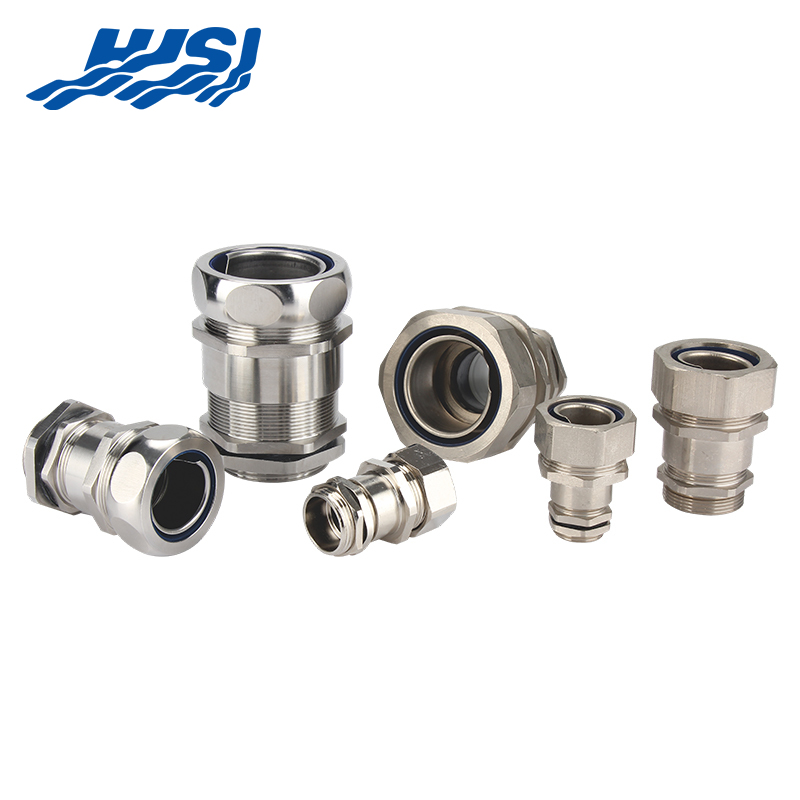
Plastic Corrugated Pipe connectors are vital in building effective drainage systems, linking sections of corrugated polyethylene pipes to form seamless runs. Made from high-density polyethylene (HDPE), these connectors provide strength, flexibility, and resistance to various conditions, supporting water flow in residential, agricultural, and commercial projects.
HDPE is the core material for plastic corrugated pipe connectors. This plastic withstands abrasion, impact, and corrosion, enabling long service in buried or surface applications.
The corrugated pattern enhances structural support. It spreads loads across the surface, helping the plastic corrugated pipe resist crushing under soil or light traffic. This feature maintains shape and flow capacity over years.
Exposure to chemicals like fertilizers or road salts does not degrade HDPE quickly. Temperature changes from freezing to warm weather have minimal effect, keeping connectors functional in different climates.
The ribbed design of plastic corrugated pipe allows bending without kinking. Connectors maintain this flexibility, permitting curves around obstacles such as roots, rocks, or existing lines.
This adaptability reduces the need for multiple fittings. Installers can follow natural terrain, achieving smoother gradients for better drainage. Slight misalignment between pipe ends is accommodated, simplifying joins in irregular trenches.
In areas with soil movement, the flexible system absorbs shifts. This lowers stress on joints, contributing to fewer leaks or separations.
Secure joints are crucial for drainage efficiency. Plastic corrugated pipe connectors often incorporate gaskets or compression features that activate upon assembly.
Push-together or snap designs lock sections firmly. The resulting seal prevents water escape or soil entry, directing flow as planned and avoiding surrounding erosion.
In stormwater or irrigation lines, these seals ensure consistent performance, even under varying pressure from rain events.
Plastic corrugated pipe connectors emphasize simple installation. Many join with hand force or basic tools, no welding or gluing needed.
Common steps include cutting pipe square, cleaning ends, and pushing or rotating the connector into place. Indicators like clicks signal correct fit.
Light weight facilitates handling. Workers manage longer sections or deeper placements with less effort. Rapid connections shorten project timelines, useful for large fields or construction sites.
HDPE handles diverse exposures. UV protection in the formulation resists sun damage for surface runs. Underground, moisture and microbes cause little harm.
Freeze-thaw action rarely affects integrity. Chemical contact from agricultural inputs or urban runoff is tolerated well.
This range allows plastic corrugated pipe use in wet, dry, cold, or temperate zones.
Stormwater networks often feature plastic corrugated pipe. Connectors link pipes beneath paved surfaces or green areas to guide water to outlets or basins.
The system's bendability navigates structures. Sealed joints preserve flow volume, supporting erosion and flood management.
Fields benefit from plastic corrugated pipe drainage. Connectors create grids that match crop patterns or soil needs.
Controlled water removal prevents saturation, aiding root health. Durable construction withstands farm machinery passes.
| Benefit | Description |
|---|---|
| Customized Layouts | Connectors form grids matching crop rows or soil variations |
| Controlled Drainage | Removes excess water to prevent soil saturation |
| Root Health Improvement | Maintains optimal moisture for better plant growth |
| Equipment Compatibility | Durable design withstands passes from farm machinery |
Small wastewater or septic systems incorporate plastic corrugated pipe for distribution. Connectors provide stable links in variable ground.
Resistance to effluent chemistry supports longevity. Flexibility suits leach field layouts.
Yards or gardens use plastic corrugated pipe for subsurface water control. Connectors enable patterns around features like trees or walks.
They manage excess rain or irrigation, maintaining dry surfaces.
Building sites require temporary or permanent drainage. Plastic corrugated pipe connectors allow fast setup of channels or under-drains.
Light transport and quick assembly fit changing site conditions.
Plastic corrugated pipe systems present lower initial costs. Reduced weight cuts shipping, and fast joins decrease labor.
Upkeep involves occasional clearing of debris. The smooth bore and tough exterior limit buildup or damage. Flushing restores flow when needed.
Replacements are infrequent absent major overloads.
Straight couplings connect end-to-end. Branch fittings like tees or wyes add laterals. Directional changes use elbows where space constrains bending.
Size transitions employ reducers. Terminations feature caps.
Some variants include screens for inlet filtering.
HDPE recyclability supports material reuse. Many products use recycled portions.
Lower weight reduces transport energy. Extended life limits replacements.
Match connector to pipe profile and size for secure fit. Site conditions like depth or chemistry guide selection.
Flow needs determine diameter. Regulations may dictate material or joint standards.
Load expectations influence wall thickness.
| Selection Factor | Key Considerations |
|---|---|
| Pipe Profile & Size | Match connector to corrugation pattern and diameter for secure fit |
| Site Conditions | Assess burial depth, soil chemistry, moisture, and exposure |
| Flow Requirements | Determine pipe diameter based on expected water volume |
| Regulatory Standards | Check local rules for material, joint type, or approvals |
| Load Expectations | Select wall thickness to handle soil pressure or surface loads |
Developments include stronger snap fits and better seals. Recycled content increases.
Additives for root resistance or antimicrobials appear in targeted uses.
Monitoring attachments for flow data emerge in advanced systems.
Plastic corrugated pipe connectors provide a practical and durable solution for building efficient drainage systems. Made from high-density polyethylene (HDPE), they offer impact resistance and corrosion resistance, while also being flexible enough to easily handle various installation challenges. They provide a reliable leak-proof seal, are easy to assemble, and are suitable for a wide range of rainwater, agricultural, wastewater, landscaping, and construction applications. HJSI specializes in developing and supplying these connectors, helping to prevent flooding, soil erosion, and water damage in practical applications. By choosing HJSI, customers receive high-quality plastic corrugated pipe connectors and our expert support, ensuring stable water flow, long-term performance, and adaptability to diverse environmental needs in their drainage projects across residential, commercial, and infrastructure settings.

2nd Floor, Building 2, No. 188, Punan 3rd Road, Economic Development Zone, Yueqing City, Wenzhou City, Zhejiang Province, China

Copyright @ Zhejiang HJSI Connector Co., Ltd. All rights reserved.

China Waterproof Breathable Valve Manufacturer
 +86-15858552966
+86-13356176555
+86-15858552966
+86-13356176555
 English
 русский
 عربى
عربى