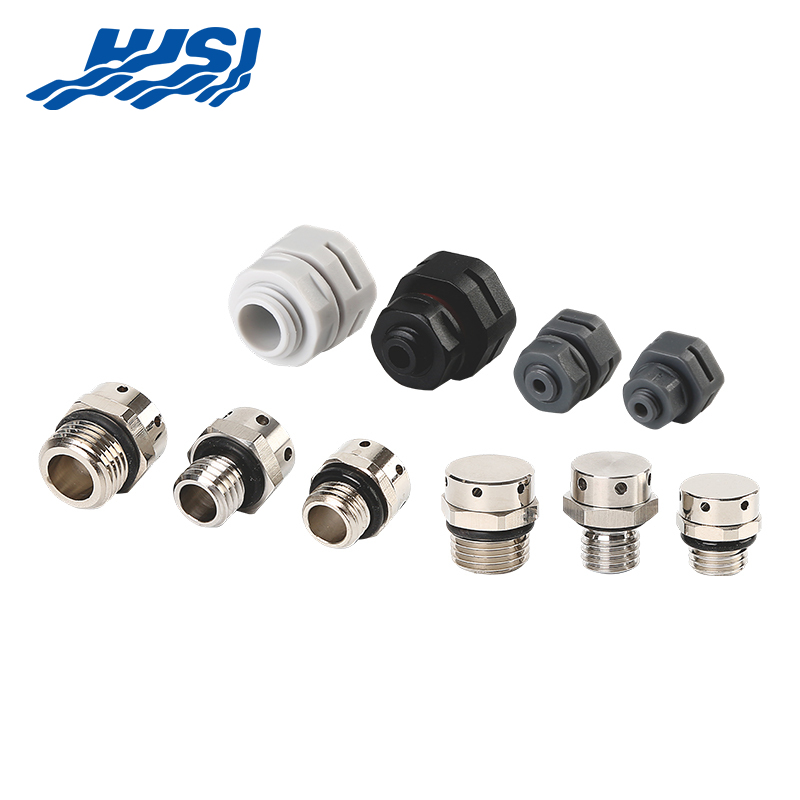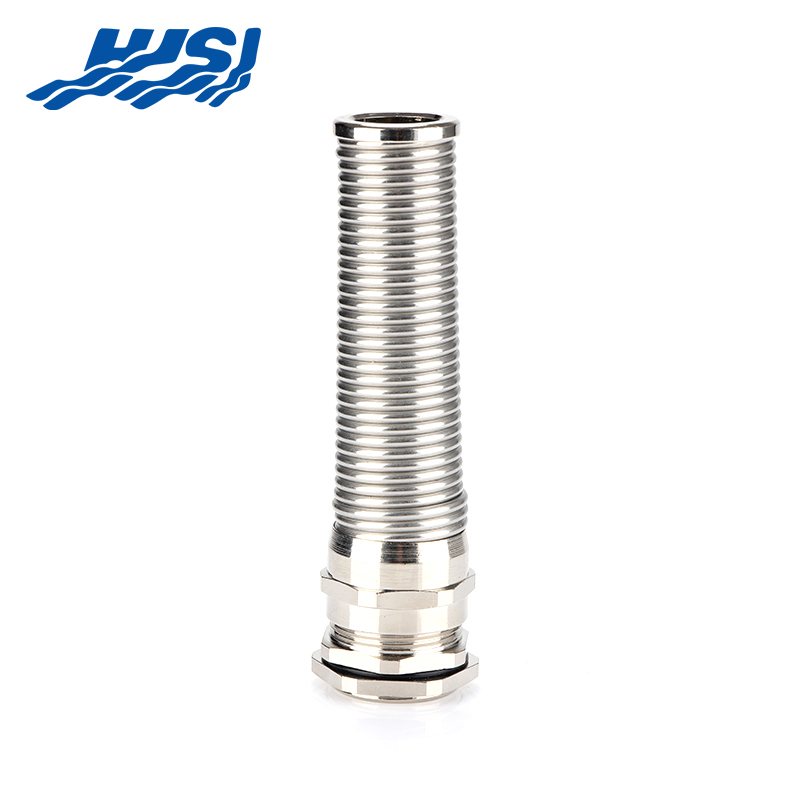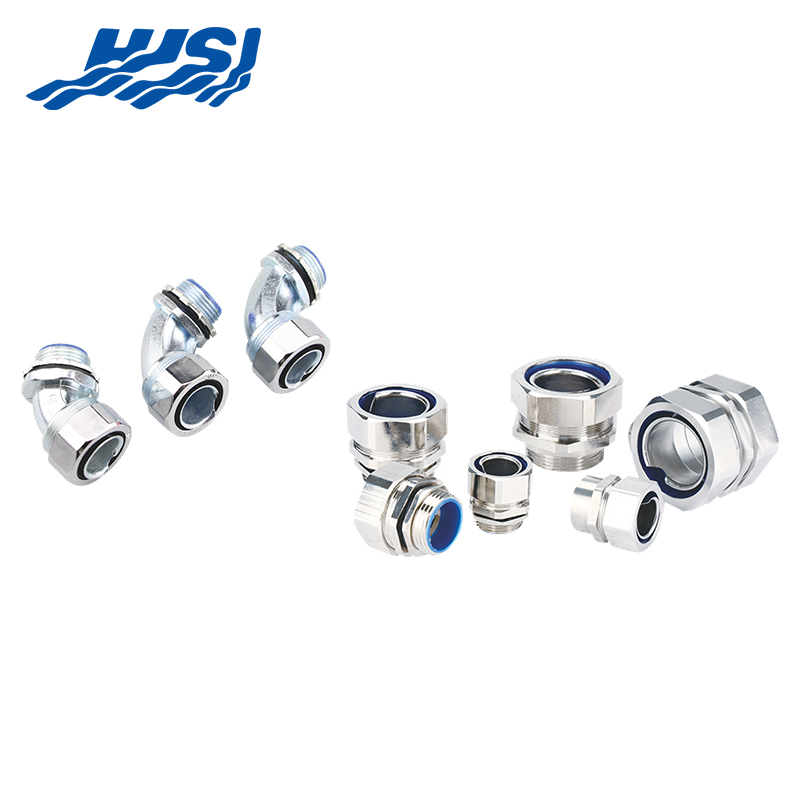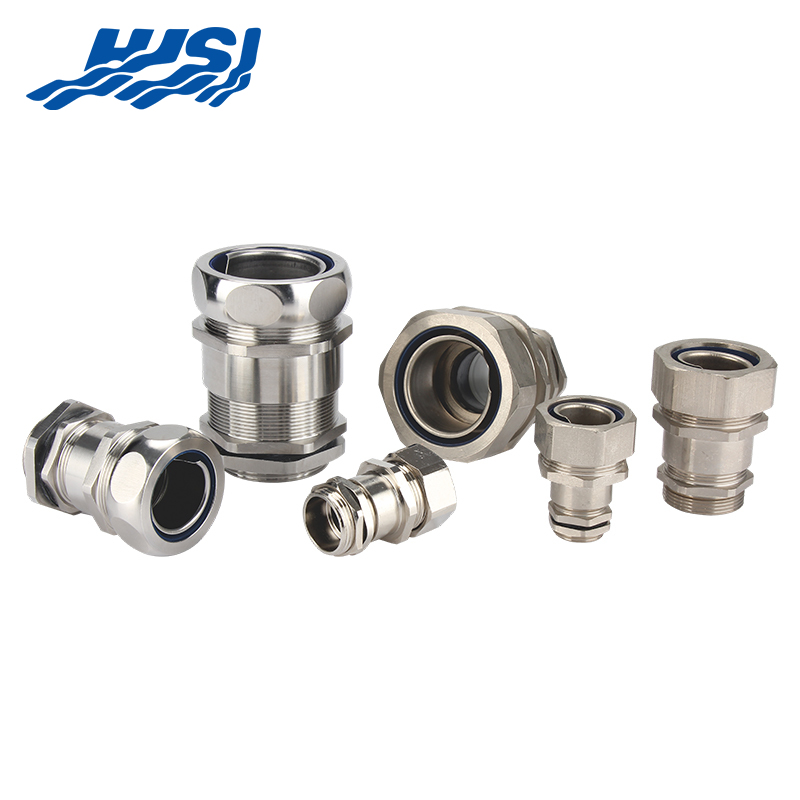
Cable glands serve an important function in electrical installations by anchoring cables at entry points into enclosures, panels, or devices. They offer strain relief, block dust and moisture, and help maintain overall system safety. Stainless Steel Cable Gland, steel cable glands, and compression cable glands each provide distinct features, allowing them to fit various operational conditions and cable requirements.
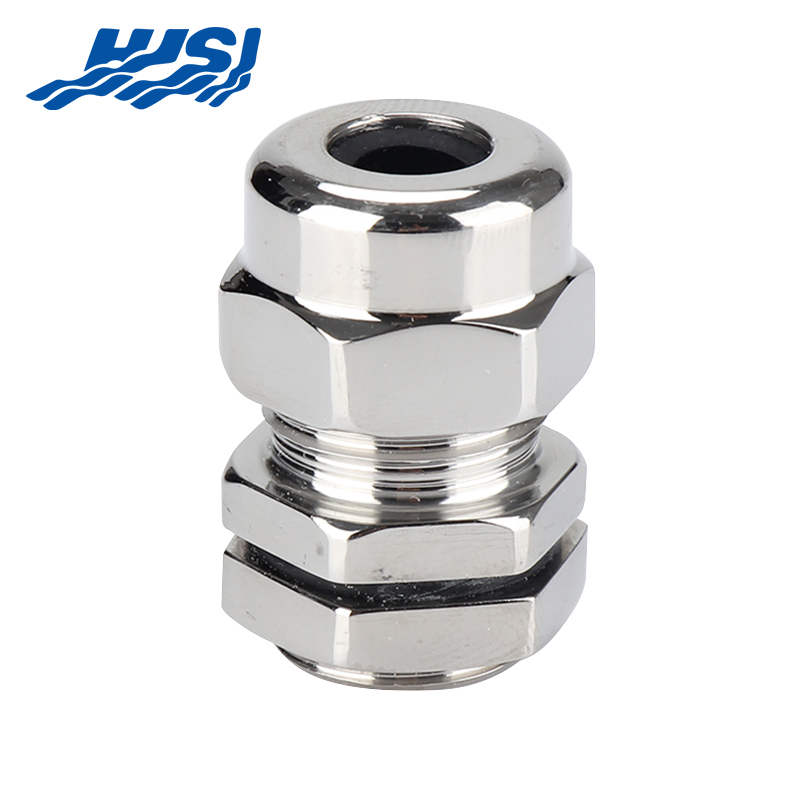
Stainless cable glands are constructed from stainless steel, a material that resists corrosion, heat, and general wear. This makes them suitable for locations where exposure to harsh elements occurs regularly.
Areas such as marine facilities, food production sites, and chemical processing plants often incorporate stainless cable glands. Contact with saltwater, cleaning solutions, or aggressive substances can affect standard materials, but stainless steel holds up well. It supports cable integrity in these demanding settings.
These glands accommodate armored and unarmored cables alike. Built-in sealing elements prevent water and particle entry, adding to protection levels. The material's robustness contributes to extended service life, which can lower replacement frequency in tough environments.
Outdoor or humid installations gain from this design. The glands secure cables while withstanding weather effects, helping to avoid damage or electrical problems.
Steel cable glands, typically produced from galvanized or carbon steel, deliver firm mechanical support. They manage impacts and tension effectively, fitting applications with physical challenges.
Construction areas, automation systems, and heavy equipment commonly feature steel cable glands. Cables in these contexts experience pulling, vibration, or contact risks. Steel supplies the strength needed for reliable strain relief.
Steel’s conductivity assists with grounding and shielding functions. This can aid in controlling electromagnetic interference where sensitive signals are involved. Surface treatments enhance rust resistance, broadening their use in varied conditions.
These glands combine durability with practical pricing, making them appropriate for extensive projects focused on physical protection.
Compression cable glands function by tightening to squeeze an internal seal, often rubber-based. This forms a close fit around the cable, blocking external contaminants.
They adapt to different cable diameters and compositions, appearing in fields like telecommunications, power supply, and general manufacturing. The structure supports flexibility in panel or equipment setups.
A notable aspect is the capacity to provide rated defense against dust and liquid entry. This sealing helps safeguard components in splash-prone or dusty locations.
Offered in metals or plastics, compression glands allow selection based on particular demands. Metal builds add mechanical reinforcement alongside sealing, while plastic variants suit lighter or non-conductive needs.
| Aspect | Description |
|---|---|
| Operating Principle | Tightening compresses internal seal (often rubber) for tight cable fit |
| Contaminant Protection | Blocks dust, water, and other external elements |
| Adaptability | Fits various cable diameters and types; flexible for different setups |
| Common Industries | Telecommunications, power supply, manufacturing |
| Material Options | Metal (adds mechanical strength); Plastic (lighter, non-conductive) |
| Key Benefit | Provides rated ingress protection in splash-prone or dusty environments |
The three gland categories address separate concerns.
Stainless cable glands focus on corrosion and moisture resistance, performing in chemically active or wet areas.
Steel cable glands highlight mechanical toughness, handling impact and load in rugged operations.
Compression cable glands stress adaptable sealing, offering contaminant barriers in wide-ranging setups.
Longevity depends on surroundings. Stainless types endure aggressive exposure, steel manages physical forces, and compression sustains seals across conditions.
Industry patterns follow these qualities. Marine and food operations prefer stainless for cleanliness and resistance. Construction and machinery choose steel for robustness. Telecommunications and energy select compression for environmental shielding.
Picking a cable gland requires assessing the site conditions. Elements like humidity, chemical presence, temperature range, or mechanical stress influence the choice. Cable construction—armored or not—and size also play roles.
Compliance with safety norms matters. Glands achieving ingress ratings support adherence in regulated or risky zones. Grounding requirements may favor conductive materials.
Assembly convenience is another consideration. Certain designs need dedicated tools, others permit simple fitting. Correct mounting ensures intended performance, preventing leaks or cable strain.
Ongoing care affects decisions. Periodic reviews for damage, rust, or seal wear keep functionality. Matching glands to expected conditions can reduce maintenance efforts.
Effective installation begins with cable preparation and entry point cleaning. Proper insulation removal and thread care avoid complications.
Tightening activates seals without harming parts. Excessive force risks cable crush, while insufficient allows entry points.
Post-install checks confirm results. Visual reviews or gentle pulls verify security. In vital cases, further tests validate protection.
Suitable tools enhance accuracy. Devices made for the gland prevent slips or marks.
Supplier information on compatible cables and assembly steps aids uniform application.
Gland development responds to changing needs. Combined materials offer balanced traits, such as treated steels for corrosion and strength. Polymer mixes provide alternatives for weight or conductivity concerns.
Faster-fitting elements cut setup time. Specialized variants handle explosive atmospheres with extra safeguards.
Environmental awareness shapes choices. Recyclable components and efficient production methods gain traction.
Connection to monitoring systems appears, where glands incorporate indicators for seal status or cable health.
Stainless cable glands, steel cable glands, and compression cable glands each deliver targeted solutions for securing and protecting cables in electrical installations, with stainless types handling corrosive and wet conditions, steel providing mechanical strength for demanding environments, and compression offering versatile sealing across diverse applications.
At Zhejiang HJSI Connector Co., Ltd., we concentrate our efforts on producing a comprehensive selection of these glands, leveraging practical expertise to create products that ensure reliable cable entry, effective strain relief, and lasting performance in real-world settings. We choose this focus because we recognize that proper cable management forms the basis of safe and efficient electrical systems, helping to prevent issues from environmental exposure or mechanical stress.
By partnering with Zhejiang HJSI Connector Co., Ltd., customers benefit from high-quality glands supported by dedicated knowledge, enabling installations in marine, industrial, construction, or telecommunications projects to achieve consistent protection, compliance, and operational reliability.

2nd Floor, Building 2, No. 188, Punan 3rd Road, Economic Development Zone, Yueqing City, Wenzhou City, Zhejiang Province, China

Copyright @ Zhejiang HJSI Connector Co., Ltd. All rights reserved.

China Waterproof Breathable Valve Manufacturer
 +86-15858552966
+86-13356176555
+86-15858552966
+86-13356176555
 English
 русский
 عربى
عربى